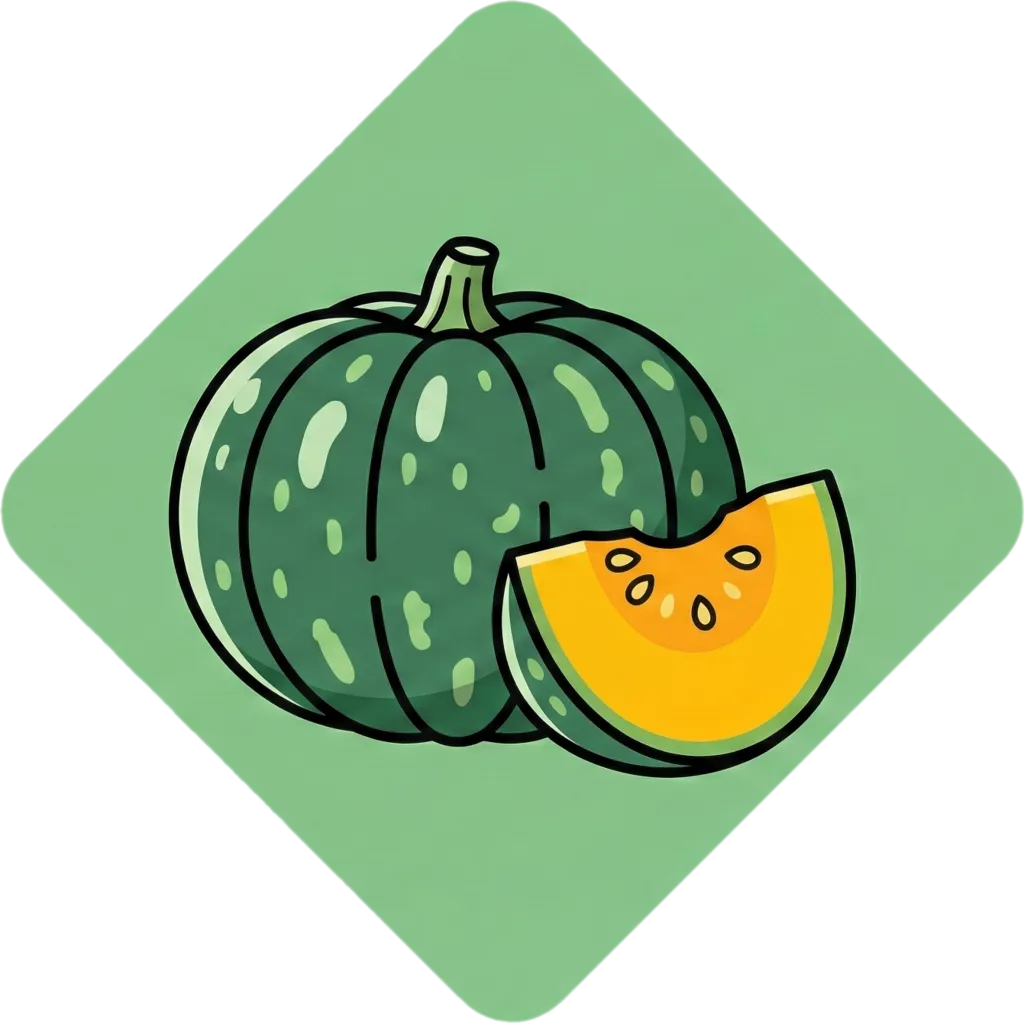
From root: kalabasa
Usage Note
Kalabasahan applies the -an locative suffix to kalabasa to name a garden plot or farm section dedicated to growing squash or pumpkin. It is used in agricultural and rural contexts and reflects the common practice of dedicating a named portion of land to a single crop.
Examples
" Malawak ang kanilang kalabasahan. "
Natural Translation
Their squash field is wide.
Literal Translation
Wide the their squash-field.
" Ang kalabasahan ay puno ng mga kalabasa. "
Natural Translation
The squash field is full of squashes.
Literal Translation
The squash field is full of squashes.
" Hinati ng magsasaka ang kaniyang lupa upang ang kalahati ay maging kalabasahan at ang natitira ay palayan. "
Natural Translation
The farmer divided his land so that half would become a squash field and the rest a rice paddy.
Literal Translation
Divided by the farmer the his land so-that the half become squash-field and the remainder rice-paddy.
Take Tagalog with you
The full course, a 12,500-word dictionary, and flashcards that make every word stick — free to start on iOS and Android.




Tagalog builds thousands of words from a few hundred roots.
How Tagalog words workWord family
kalabasa has 2 related forms built from the same root.
Related Words
Explore Tagalog by topic
Free guides on grammar, vocabulary, and culture to take you past single-word lookups.

Filipino Family Words and Honorifics: Ate, Kuya & Tita
Filipino family words like ate, kuya, tita, tito, lolo, and lola go far beyond family — learn how Filipinos use them with strangers, plus mano po etiquette.
Days of the Week and Months in Tagalog
The days of the week and months in Tagalog are Spanish loanwords. Learn all 7 days and 12 months with pronunciation, plus how to say dates and 'every Monday.'
Po and Opo in Tagalog: Where to Put Them Right
Po and opo confuse learners — but placement follows one rule. Where po goes in a sentence, why it's opo not 'oo po', and the pronoun shift to learn.

Is Tagalog Hard to Learn? An Honest Answer
Tagalog takes around 1,100 hours to reach professional proficiency. Here is what is easy, what is hard, and what to expect at 3, 6, and 12 months.