luma
lumà with stress marks
old; worn-out
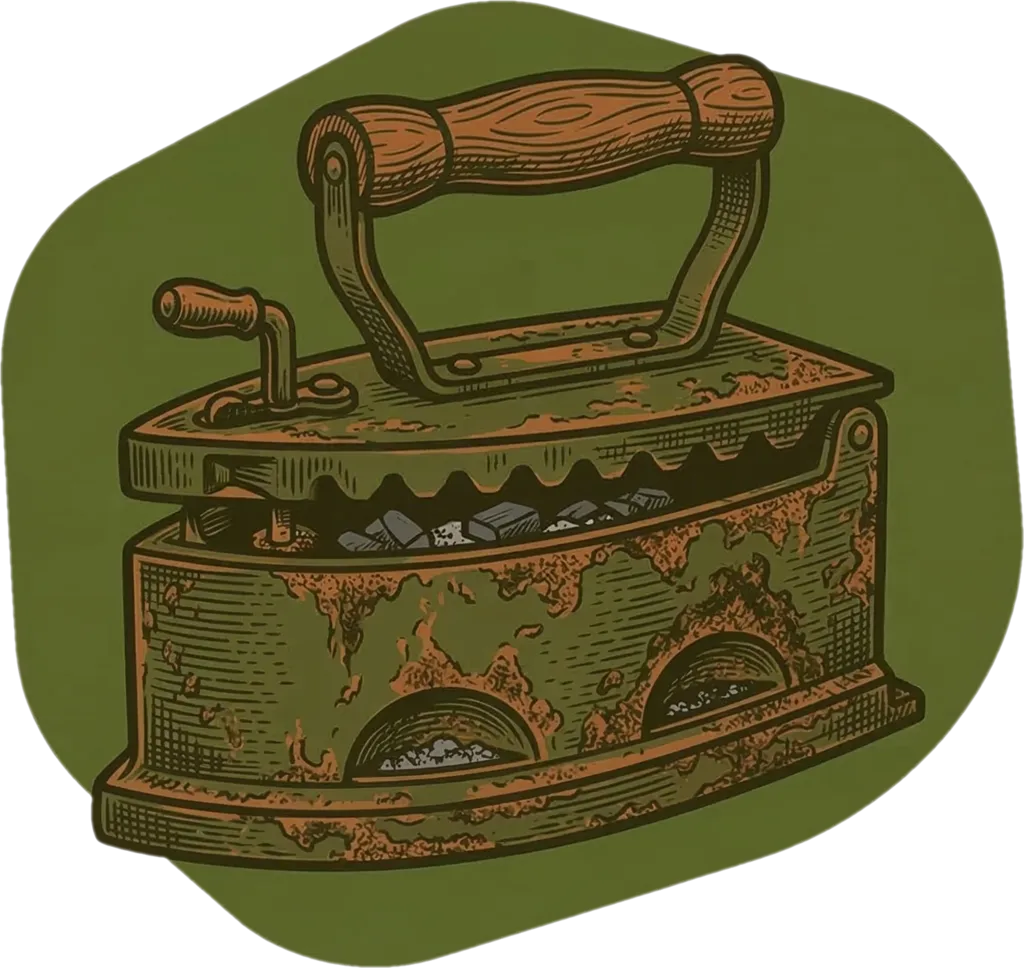
Usage Note
Luma is strictly for inanimate objects, never for people or animals. Use it when referring to items like clothes or gadgets that are no longer new or have been superseded by a newer version.
Examples
" Luma na ang relo ko. "
Natural Translation
My watch is already old.
Literal Translation
Old already the watch my.
" Luma na ang aking sapatos. "
Natural Translation
My shoes are already old.
Literal Translation
Old already the my shoes.
" Bagaman luma na ang radyo namin, ayaw pa rin itong itapon ni Lola dahil regalo ito ni Lolo. "
Natural Translation
Even though our radio is already worn-out, Grandma still doesn't want to throw it away because it was a gift from Grandpa.
Literal Translation
Although old already the radio our, dislike still this throw by Grandma because gift this by Grandpa.
Take Tagalog with you
The full course, a 12,500-word dictionary, and flashcards that make every word stick — free to start on iOS and Android.




Tagalog builds thousands of words from a few hundred roots.
How Tagalog words workObject Focus Verbs
Related Words
Explore Tagalog by topic
Free guides on grammar, vocabulary, and culture to take you past single-word lookups.

Ang, Ng, Sa: The 3 Tagalog Case Markers Explained
Ang, ng, sa are the three Tagalog case markers every noun takes. Learn what each does, the personal forms si/ni/kay, plurals with mga, and clear examples.

Tagalog Verb Conjugation: Aspects Made Simple
Tagalog verb conjugation uses aspects, not tenses. Learn the three aspects with -um- and mag- verbs, one reduplication rule, and clear example tables.

Ng vs Nang in Tagalog: The Spelling Rule
Ng vs nang sound identical but spell differently. Use ng to mark nouns (of, the object), and nang for how, when, repetition, and counting time.

Na vs -ng in Tagalog: The Linker Rule Made Simple
When do you use na vs -ng in Tagalog? One simple rule, with clear examples, memory tips, and common mistakes explained for English-speaking beginners.