monopolyo
monopólyo with stress marks
monopoly
Usage Note
Monopolyo is borrowed from Spanish monopolio and refers to exclusive control of a market or resource by a single entity. The term appears frequently in economics discussions, journalism, and political discourse in the Philippines, particularly regarding large family-controlled business conglomerates.
Examples
" May monopolyo sila sa tubig. "
Natural Translation
They have a monopoly on water.
Literal Translation
Have monopoly they on water.
" Iniiwasan ng gobyerno ang pagkakaroon ng monopolyo sa mga pangunahing bilihin. "
Natural Translation
The government avoids having a monopoly on basic commodities.
Literal Translation
Avoiding of government the having of monopoly in plural basic commodities.
" Kapag iisang kumpanya lang ang may monopolyo sa kuryente, walang ibang pagpipilian ang mga konsyumer kahit mahal ang singil. "
Natural Translation
When only one company holds a monopoly on electricity, consumers have no other choice even if the charges are high.
Literal Translation
When one company only the have monopoly on electricity, none other choice the plural consumer even expensive the charge.
Take Tagalog with you
The full course, a 12,500-word dictionary, and flashcards that make every word stick — free to start on iOS and Android.




Tagalog builds thousands of words from a few hundred roots.
How Tagalog words workRelated Words
Explore Tagalog by topic
Free guides on grammar, vocabulary, and culture to take you past single-word lookups.
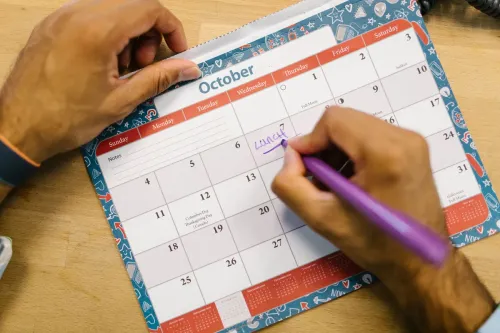
Days of the Week and Months in Tagalog
The days of the week and months in Tagalog are Spanish loanwords. Learn all 7 days and 12 months with pronunciation, plus how to say dates and 'every Monday.'

Tagalog Question Words: Ano, Sino, Saan & More
Tagalog question words like ano, sino, and saan need the right frame to work. Learn the ang-vs-pronoun rule, confusable pairs, and the ba particle with audio.

Languages of the Philippines: Tagalog, Cebuano, and More
Languages of the Philippines: one national language (Filipino) plus 180+ regional languages. Here's who speaks what, where, and why it matters to you.

Philippine Christmas Traditions: World's Longest Holiday
Philippine Christmas traditions run four months — from Ber-month carols to Simbang Gabi dawn masses, Noche Buena feasts, and parol lanterns lighting every street.