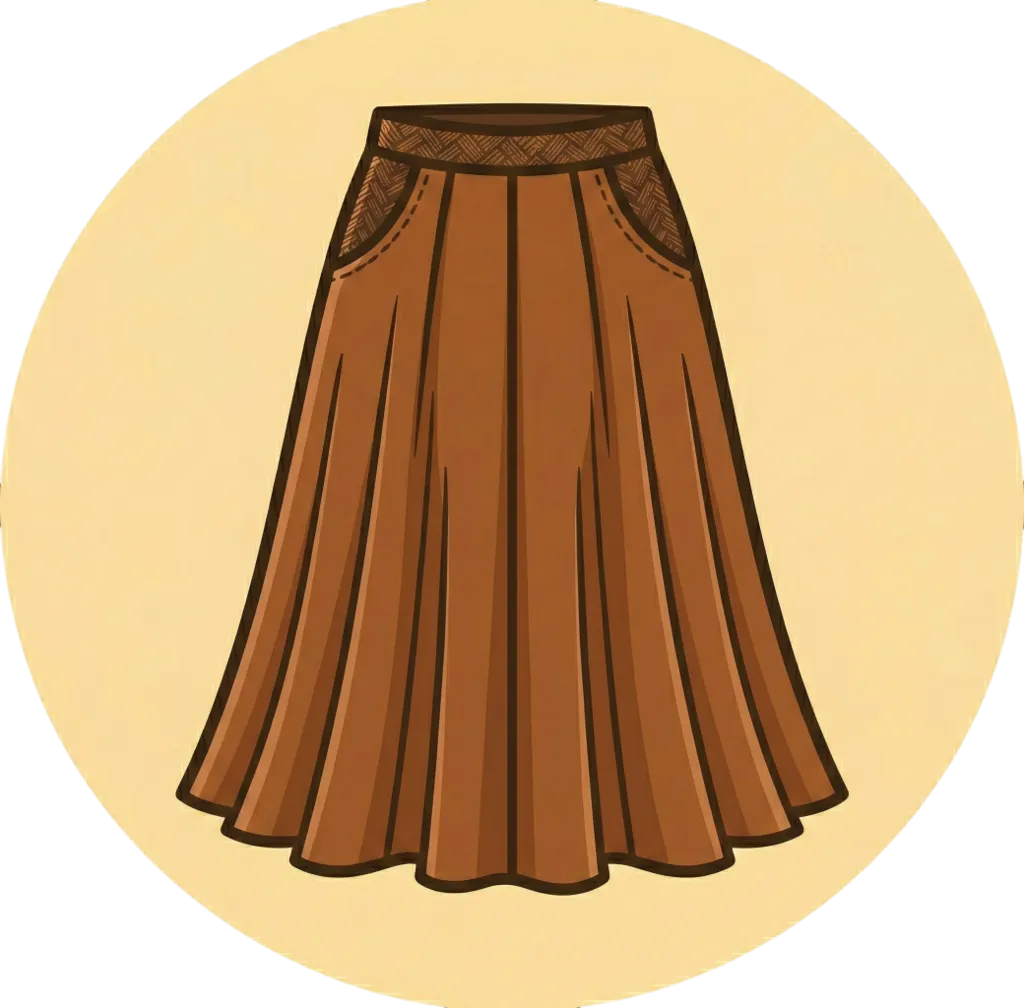
From root: palda
Conjugations
Past (Completed)
pinaldahan
pi-nal-da-HAN
put a skirt on someone
Present (Incomplete)
pinapaldahan
pi-na-pal-da-HAN
putting a skirt on someone
Future (Contemplated)
papaldahan
pa-pal-da-HAN
will put a skirt on someone
Usage Note
Paldahan is used when putting a skirt on another person, such as a child or a mannequin. This object-focused verb specifically highlights the person or object receiving the garment rather than the person doing the action.
Examples
" Paldahan mo ang bata. "
Natural Translation
Put a skirt on the child.
Literal Translation
Put-a-skirt-on you the child.
" Kailangan mong paldahan ang manika. "
Natural Translation
You need to put a skirt on the doll.
Literal Translation
Need you put-a-skirt-on the doll.
" Habang inaayos ang palabas, pinaldahan ng mga tagaganap ang bawat manika na ilalagay sa tabi ng entablado. "
Natural Translation
While preparing the show, the crew put a skirt on each doll that would be placed beside the stage.
Literal Translation
While arranging the show, put-a-skirt-on by the crew the each doll that will-be-placed beside the stage.
Take Tagalog with you
The full course, a 12,500-word dictionary, and flashcards that make every word stick — free to start on iOS and Android.




Tagalog builds thousands of words from a few hundred roots.
How Tagalog words workWord family
palda has 4 related forms built from the same root.
Related Words
Explore Tagalog by topic
Free guides on grammar, vocabulary, and culture to take you past single-word lookups.

Tagalog Greetings: How to Say Hello, Goodbye & Po/Opo
Master Tagalog greetings with pronunciation: kumusta, magandang umaga, po and opo polite forms, time-of-day phrases, and the mano po tradition.
Philippines Geography for Learners: Islands & Language
Philippines geography for Tagalog learners: 7,641 islands, three island groups, and the Southern Luzon heartland where the Tagalog language was born.
Philippine Christmas Traditions: World's Longest Holiday
Philippine Christmas traditions run four months — from Ber-month carols to Simbang Gabi dawn masses, Noche Buena feasts, and parol lanterns lighting every street.
Mano Po and Filipino Etiquette: A Visitor's Guide
Mano po presses an elder's hand to your forehead as a blessing. Learn who to mano, how to lip-point, and the etiquette that wins over a Filipino family.