paniki
panikì with stress marks
bat
Usage Note
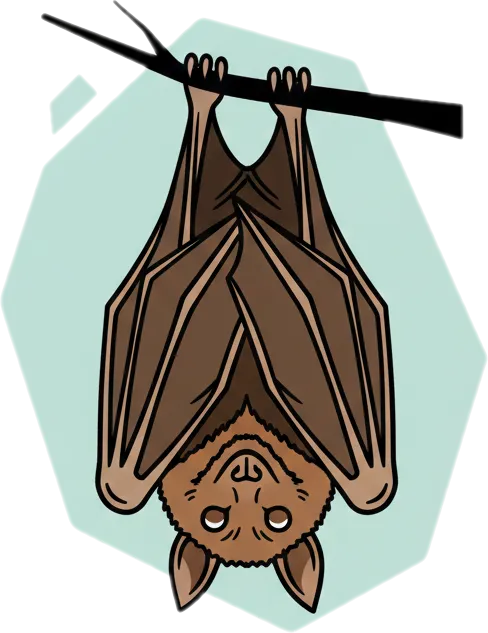
Paniki is the general term for bats, which are commonly seen flying around fruit trees or nesting in caves across the Philippines. It refers to everything from small insect-eating species to the large fruit bats, or flying foxes, often found in rural areas at dusk.
Examples
" May paniki sa puno. "
Natural Translation
There is a bat in the tree.
Literal Translation
There-is bat at tree.
" Ang paniki ay lumilipad. "
Natural Translation
The bat is flying.
Literal Translation
The bat is flying.
" Tuwing gabi ay lumilipad ang mga paniki mula sa kweba upang humanap ng hinog na prutas sa mga bukid. "
Natural Translation
Every night the bats fly out of the cave to look for ripe fruit in the fields.
Literal Translation
Every night fly the bats from the cave to look-for of ripe fruit in the fields.
Take Tagalog with you
The full course, a 12,500-word dictionary, and flashcards that make every word stick — free to start on iOS and Android.




Tagalog builds thousands of words from a few hundred roots.
How Tagalog words workRelated Words
Explore Tagalog by topic
Free guides on grammar, vocabulary, and culture to take you past single-word lookups.

Is Tagalog Hard to Learn? An Honest Answer
Tagalog takes around 1,100 hours to reach professional proficiency. Here is what is easy, what is hard, and what to expect at 3, 6, and 12 months.

Philippines Geography for Learners: Islands & Language
Philippines geography for Tagalog learners: 7,641 islands, three island groups, and the Southern Luzon heartland where the Tagalog language was born.

How to Say "I Love You" in Tagalog: Phrases & Meaning
Learn how to say I love you in Tagalog. Mahal kita, Iniibig kita, and Filipino terms of endearment for partners, family, and friends — with cultural notes.

Tagalog vs Filipino: What's the Difference & Which to Learn
Tagalog and Filipino aren't the same language — but they overlap almost completely. Here's the real difference and which one you should actually learn.