magrenta
magrénta with stress marks
to rent
From root: renta
Conjugations
Past (Completed)
nagrenta
nag-REN-ta
rented
Present (Incomplete)
nagrerenta
nag-re-REN-ta
is renting
Future (Contemplated)
magrerenta
mag-re-REN-ta
will rent
Usage Note
Magrenta is the actor-focus mag- form of renta, from Spanish renta, placing the tenant or person renting as the grammatical subject. Interchangeable with mangupahan in housing contexts, though magrenta is more common in urban settings; pair with rentahan when the property being rented is the topic.
Examples
" Gusto kong magrenta ng kotse. "
Natural Translation
I want to rent a car.
Literal Translation
Want I to-rent of car.
" Gusto namin na magrenta ng sasakyan para sa bakasyon. "
Natural Translation
We want to rent a vehicle for the vacation.
Literal Translation
Want our to rent of vehicle for vacation.
" Nagpasya kaming magrenta na lang ng bahay sa lungsod habang hinihintay naming matapos ang sarili naming bahay sa probinsya. "
Natural Translation
We decided to just rent a house in the city while waiting for our own house in the province to be finished.
Literal Translation
Decided we to-rent just of house in city while waiting our be-finished the own our house in province.
Take Tagalog with you
The full course, a 12,500-word dictionary, and flashcards that make every word stick — free to start on iOS and Android.




Tagalog builds thousands of words from a few hundred roots.
How Tagalog words workWord family
renta has 1 related form built from the same root.
Explore Tagalog by topic
Free guides on grammar, vocabulary, and culture to take you past single-word lookups.

Tagalog Time Expressions: Past, Present & Future Guide
Tagalog has no tenses — it uses aspect. Learn time words, days of the week, clock time, and the aspect system, with vocabulary tables and cultural notes.
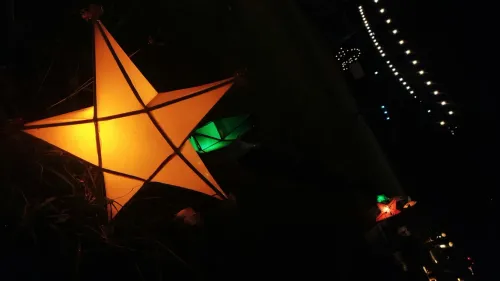
Philippine Christmas Traditions: World's Longest Holiday
Philippine Christmas traditions run four months — from Ber-month carols to Simbang Gabi dawn masses, Noche Buena feasts, and parol lanterns lighting every street.
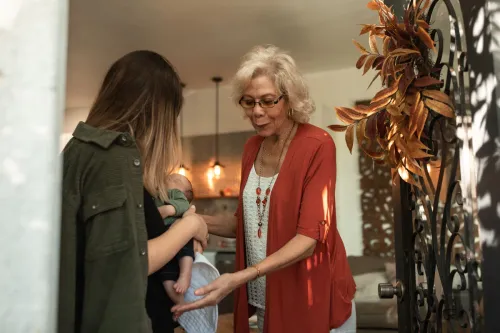
Mano Po and Filipino Etiquette: A Visitor's Guide
Mano po presses an elder's hand to your forehead as a blessing. Learn who to mano, how to lip-point, and the etiquette that wins over a Filipino family.

Filipino Family Words and Honorifics: Ate, Kuya & Tita
Filipino family words like ate, kuya, tita, tito, lolo, and lola go far beyond family — learn how Filipinos use them with strangers, plus mano po etiquette.