isampay
isampáy with stress marks
to hang [it]
From root: sampay
Conjugations
Past (Completed)
isinampay
i-si-nam-PAY
hung
Present (Incomplete)
isinasampay
i-si-na-sam-PAY
is being hung
Future (Contemplated)
isasampay
i-sa-sam-PAY
will be hung
Usage Note
Isampay is the object-focus i- form of sampay, foregrounding the item being draped over a line, rail, or hook. The i- prefix signals the thing conveyed or placed, making this the natural form when a specific towel, shirt, or cloth is the topic; pairs with the actor-focus magsampay.
Examples
" Isampay mo ang tuwalya. "
Natural Translation
Hang up the towel.
Literal Translation
Hang you the towel.
" Kailangan mong isampay ang mga basang labada sa labas ng bahay. "
Natural Translation
You need to hang the wet laundry outside the house.
Literal Translation
Need you to-hang the wet laundry at outside of house.
" Bago ka umalis, isampay mo muna ang mga damit sa labas habang maaraw pa para mabilis matuyo. "
Natural Translation
Before you leave, hang the clothes outside first while it is still sunny so that they dry quickly.
Literal Translation
Before you leave, hang you first the clothes at outside while sunny still for quickly dry.
Take Tagalog with you
The full course, a 12,500-word dictionary, and flashcards that make every word stick — free to start on iOS and Android.




Tagalog builds thousands of words from a few hundred roots.
How Tagalog words workWord family
sampay has 1 related form built from the same root.
Related Words
Explore Tagalog by topic
Free guides on grammar, vocabulary, and culture to take you past single-word lookups.

Languages of the Philippines: Tagalog, Cebuano, and More
Languages of the Philippines: one national language (Filipino) plus 180+ regional languages. Here's who speaks what, where, and why it matters to you.

Magkano: How to Ask "How Much" in Tagalog
Magkano means how much in Tagalog. Learn to ask a price, tell it apart from ilan and gaano, sound polite with po, and haggle at the palengke.
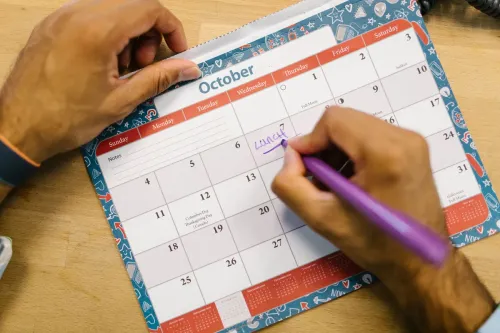
Days of the Week and Months in Tagalog
The days of the week and months in Tagalog are Spanish loanwords. Learn all 7 days and 12 months with pronunciation, plus how to say dates and 'every Monday.'

Tagalog Pronouns Explained: Complete Chart with Examples
Every Tagalog pronoun explained with clear charts: ang/ng/sa forms, tayo vs kami, ikaw vs ka, politeness markers, and the mistakes beginners make.