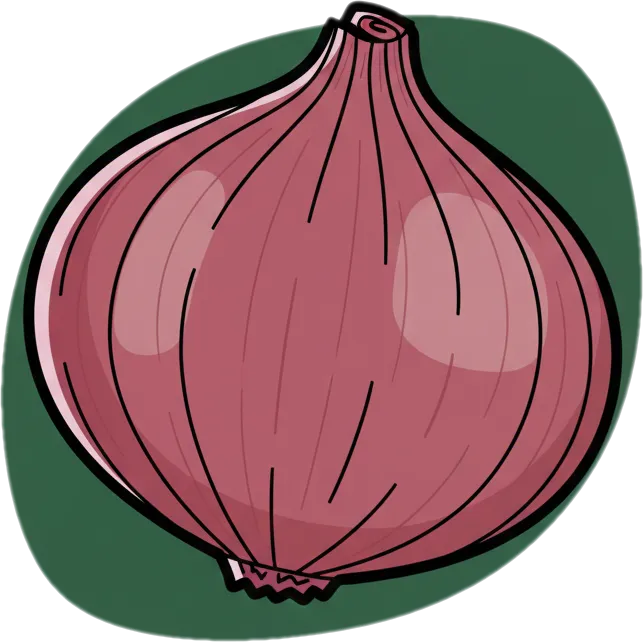
From root: sibuyas
Conjugations
Past (Completed)
isinibuyas
i-si-ni-BU-yas
used as onions
Present (Incomplete)
isinisibuyas
i-si-ni-si-BU-yas
using as onions
Future (Contemplated)
isisibuyas
i-si-si-BU-yas
will use as onions
Usage Note
Isibuyas is used when specifying the use of onions as an ingredient or designating a specific item to serve as the onion component in a dish. It is primarily used in culinary contexts or when giving specific cooking instructions.
Examples
" Isibuyas mo ang pula. "
Natural Translation
Use the red one as the onion.
Literal Translation
Use-as-onion you the red.
" Subukan mong isibuyas ang puting sibuyas. "
Natural Translation
Try to use as onions the white onion.
Literal Translation
Try by-you to-onion the white onion.
" Dahil wala nang sibuyas sa pamilihan, isinibuyas na lang ng kusinero ang dahon ng bawang para may lasa pa rin. "
Natural Translation
Since there were no more onions at the market, the cook just used garlic leaves in place of onion so it would still have flavor.
Literal Translation
Because none anymore onion at-the market, used-as-onion just by-the cook the leaf of garlic so has flavor still also.
Take Tagalog with you
The full course, a 12,500-word dictionary, and flashcards that make every word stick — free to start on iOS and Android.




Tagalog builds thousands of words from a few hundred roots.
How Tagalog words workWord family
sibuyas has 5 related forms built from the same root.
Related Words
Explore Tagalog by topic
Free guides on grammar, vocabulary, and culture to take you past single-word lookups.

Tagalog Root Words: Learn a Few Hundred, Understand Thousands
Tagalog root words unlock vocabulary fast: learn a few hundred and recognize thousands. Real word families, examples, and a practical study strategy.
Filipino Food: 12 Essential Dishes (With Tagalog Names)
Filipino food, from adobo to halo-halo: learn the Tagalog names, pronunciations, and ingredients behind 12 dishes you'll want to try on your first trip.

Tagalog Greetings: How to Say Hello, Goodbye & Po/Opo
Master Tagalog greetings with pronunciation: kumusta, magandang umaga, po and opo polite forms, time-of-day phrases, and the mano po tradition.

Tagalog Verb Conjugation: Aspects Made Simple
Tagalog verb conjugation uses aspects, not tenses. Learn the three aspects with -um- and mag- verbs, one reduplication rule, and clear example tables.