From root: siklab
Conjugations
Past (Completed)
sumiklab
su-mi-KLAB
flared up
Present (Incomplete)
sumisiklab
su-mi-si-KLAB
is flaring up
Future (Contemplated)
sisiklab
si-si-KLAB
will flare up
Usage Note
Sumiklab is the actor-focus -um- form of siklab, used for the sudden flaring up of fire, conflict, or emotion. It is common in news reportage for fires breaking out and in figurative speech for anger or passion erupting without warning.
Examples
" Biglang sumiklab ang apoy. "
Natural Translation
The fire suddenly flared up.
Literal Translation
Suddenly flared-up the fire.
" Mahirap hayaang sumiklab ang galit sa gitna ng isang seryosong pag-uusap. "
Natural Translation
It is difficult to let anger flare up in the middle of a serious conversation.
Literal Translation
Difficult to-let to-flare-up the anger at middle of a serious conversation.
" Sumiklab ang away nang magsimula silang magpasahan ng sisi sa harap ng buong pamilya. "
Natural Translation
The quarrel erupted when they began throwing the blame at each other in front of the whole family.
Literal Translation
Flared-up the quarrel when began they to-pass-around of blame at front of whole family.
Take Tagalog with you
The full course, a 12,500-word dictionary, and flashcards that make every word stick — free to start on iOS and Android.




Tagalog builds thousands of words from a few hundred roots.
How Tagalog words workRelated Words
Explore Tagalog by topic
Free guides on grammar, vocabulary, and culture to take you past single-word lookups.

Tagalog Numbers 1-100: Counting, Time & Money Explained
Learn Tagalog numbers 1-100 and beyond. Master both native and Spanish-derived counting systems, plus telling time, reading prices, and ordinals.

How to Say "I Love You" in Tagalog: Phrases & Meaning
Learn how to say I love you in Tagalog. Mahal kita, Iniibig kita, and Filipino terms of endearment for partners, family, and friends — with cultural notes.

Tagalog Verb Conjugation: Aspects Made Simple
Tagalog verb conjugation uses aspects, not tenses. Learn the three aspects with -um- and mag- verbs, one reduplication rule, and clear example tables.
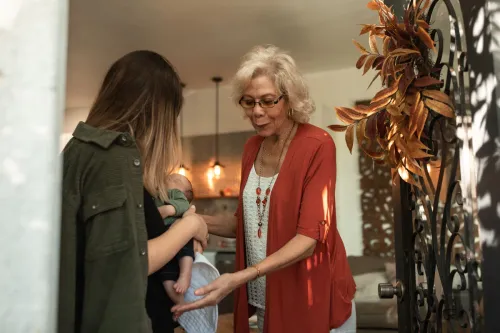
Mano Po and Filipino Etiquette: A Visitor's Guide
Mano po presses an elder's hand to your forehead as a blessing. Learn who to mano, how to lip-point, and the etiquette that wins over a Filipino family.