tamasahin
tamasahín with stress marks
to enjoy [it]
From root: tamasa
Conjugations
Past (Completed)
tinamasa
ti-na-ma-SA
enjoyed
Present (Incomplete)
tinatamasa
ti-na-ta-ma-SA
is being enjoyed
Future (Contemplated)
tatamasahin
ta-ta-ma-sa-HIN
will be enjoyed
Usage Note
Tamasahin is the object-focus form of tamasa, with the thing being savored — a moment, achievement, peace, or sensory pleasure — as the grammatical focus. The verb's elevated register makes it common in formal speeches and writing when the speaker wants to encourage mindful, grateful appreciation rather than passive consumption.
Examples
" Tamasahin natin ang tagumpay. "
Natural Translation
Let's enjoy the victory.
Literal Translation
Enjoy we the victory.
" Handa silang tamasahin ang bunga ng kanilang mahabang pagtatrabaho. "
Natural Translation
They are ready to enjoy the fruits of their long hard work.
Literal Translation
Ready they to-enjoy the fruit of their long working.
" Matapos ang maraming taon ng pagtitiis at sakripisyo, ngayon ay panahon na para tamasahin ng buong pamilya ang bunga ng kanilang pinaghirapan. "
Natural Translation
After many years of endurance and sacrifice, now is the time for the whole family to enjoy the fruits of their hard work.
Literal Translation
After the many years of enduring and sacrifice, now is time already for to-enjoy of whole family the fruit of their labored-for.
Take Tagalog with you
The full course, a 12,500-word dictionary, and flashcards that make every word stick — free to start on iOS and Android.




Tagalog builds thousands of words from a few hundred roots.
How Tagalog words workWord family
tamasa has 1 related form built from the same root.
Related Words
Explore Tagalog by topic
Free guides on grammar, vocabulary, and culture to take you past single-word lookups.

Filipino Family Words and Honorifics: Ate, Kuya & Tita
Filipino family words like ate, kuya, tita, tito, lolo, and lola go far beyond family — learn how Filipinos use them with strangers, plus mano po etiquette.

Po and Opo in Tagalog: Where to Put Them Right
Po and opo confuse learners — but placement follows one rule. Where po goes in a sentence, why it's opo not 'oo po', and the pronoun shift to learn.

Seasons in the Philippines: A Tagalog Guide
The Philippines has two seasons, not four. Learn tag-araw, tag-ulan, and taglamig, the generative tag- prefix, and the weather vocabulary to match.
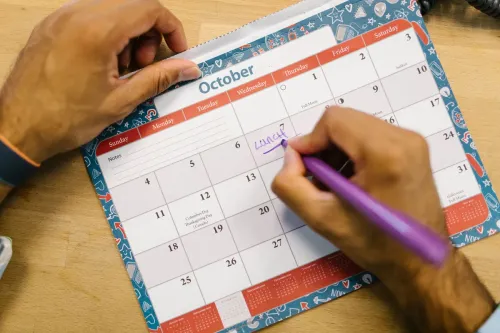
Days of the Week and Months in Tagalog
The days of the week and months in Tagalog are Spanish loanwords. Learn all 7 days and 12 months with pronunciation, plus how to say dates and 'every Monday.'