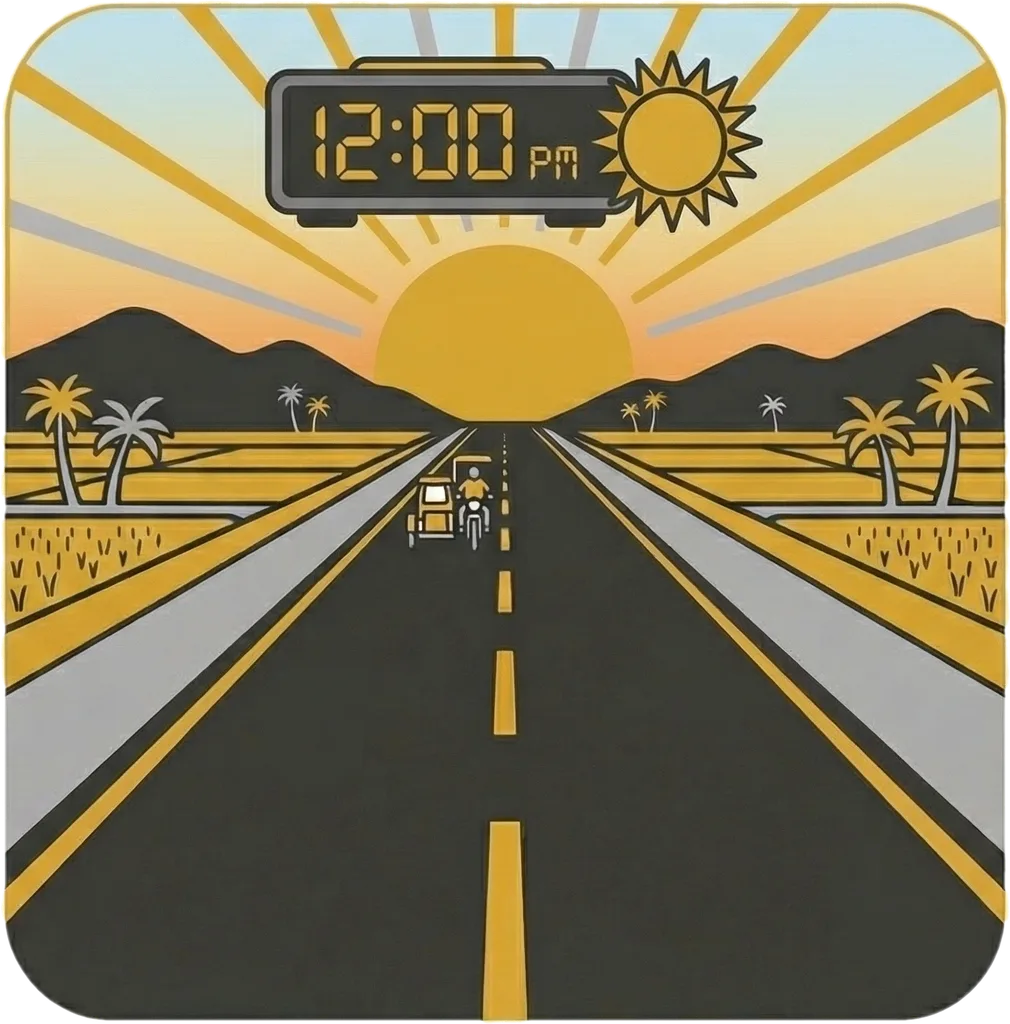
From root: tanghali
Conjugations
Past (Completed)
nagtanghalian
nag-tang-ha-li-AN
ate lunch
Present (Incomplete)
nagtatanghalian
nag-ta-tang-ha-li-AN
eating lunch
Future (Contemplated)
magtatanghalian
mag-ta-tang-ha-li-AN
will eat lunch
Usage Note
Magtanghalian is used specifically to describe the act of eating the midday meal, typically between late morning and early afternoon. While kumain is the general term for eating, this verb is preferred when extending or accepting lunch invitations in both formal and informal settings.
Examples
" Magtanghalian na tayo. "
Natural Translation
Let's eat lunch now.
Literal Translation
Eat-lunch now we.
" Tara na magtanghalian. "
Natural Translation
Let's go have lunch.
Literal Translation
Let's go already to eat lunch.
" Bago kami magpatuloy sa pulong, magtatanghalian muna kami sa kainan na malapit sa opisina. "
Natural Translation
Before we continue the meeting, we will first have lunch at the eatery near the office.
Literal Translation
Before we continue at meeting, will-eat-lunch first we at eatery that near at office.
Take Tagalog with you
The full course, a 12,500-word dictionary, and flashcards that make every word stick — free to start on iOS and Android.




Tagalog builds thousands of words from a few hundred roots.
How Tagalog words workWord family
tanghali has 6 related forms built from the same root.
Related Words
Explore Tagalog by topic
Free guides on grammar, vocabulary, and culture to take you past single-word lookups.

Mano Po and Filipino Etiquette: A Visitor's Guide
Mano po presses an elder's hand to your forehead as a blessing. Learn who to mano, how to lip-point, and the etiquette that wins over a Filipino family.

Languages of the Philippines: Tagalog, Cebuano, and More
Languages of the Philippines: one national language (Filipino) plus 180+ regional languages. Here's who speaks what, where, and why it matters to you.

Spaced Repetition for Tagalog: How Flashcards Make Words Stick
Cramming Tagalog vocabulary fails. See how spaced repetition — the science behind smart flashcards — makes words stick for the long term.
Magkano: How to Ask "How Much" in Tagalog
Magkano means how much in Tagalog. Learn to ask a price, tell it apart from ilan and gaano, sound polite with po, and haggle at the palengke.