From root: anghang
Conjugations
Past (Completed)
umanghang
u-mang-HANG
became spicy
Present (Incomplete)
umaanghang
u-ma-ang-HANG
becoming spicy
Future (Contemplated)
aanghang
a-ang-HANG
will become spicy
Usage Note
Umanghang is used to describe the process of a dish becoming spicy, often as it simmers or after adding more chili. It is commonly heard in the kitchen or while dining when discussing how the flavor profile of a meal has changed during preparation.
Examples
" Umanghang ang adobo sa sili. "
Natural Translation
The adobo became spicy from the chili.
Literal Translation
Became-spicy the adobo at chili.
" Maaaring umanghang ang sarsa sa sili. "
Natural Translation
The sauce might become spicy from the chili.
Literal Translation
Possible become-spicy the sauce at chili.
" Habang kumukulo ang sabaw, unti-unting umanghang ang lasa kaya napilitan kaming dagdagan ng kanin sa hapag. "
Natural Translation
As the broth simmered, the flavor gradually became spicier, so we were forced to add more rice on the table.
Literal Translation
While simmering the broth, gradually became-spicy the taste so forced we to-add of rice on table.
Take Tagalog with you
The full course, a 12,500-word dictionary, and flashcards that make every word stick — free to start on iOS and Android.




Tagalog builds thousands of words from a few hundred roots.
How Tagalog words workWord family
anghang has 7 related forms built from the same root.
Related Words
Explore Tagalog by topic
Free guides on grammar, vocabulary, and culture to take you past single-word lookups.

Philippine Christmas Traditions: World's Longest Holiday
Philippine Christmas traditions run four months — from Ber-month carols to Simbang Gabi dawn masses, Noche Buena feasts, and parol lanterns lighting every street.

Ang, Ng, Sa: The 3 Tagalog Case Markers Explained
Ang, ng, sa are the three Tagalog case markers every noun takes. Learn what each does, the personal forms si/ni/kay, plurals with mga, and clear examples.
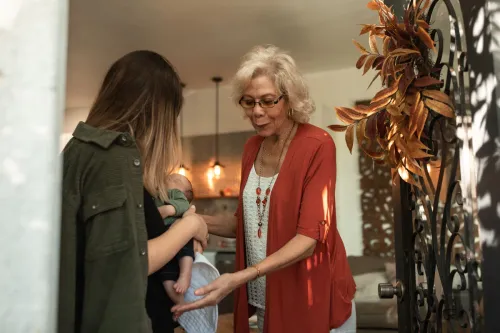
Mano Po and Filipino Etiquette: A Visitor's Guide
Mano po presses an elder's hand to your forehead as a blessing. Learn who to mano, how to lip-point, and the etiquette that wins over a Filipino family.

Po and Opo in Tagalog: Where to Put Them Right
Po and opo confuse learners — but placement follows one rule. Where po goes in a sentence, why it's opo not 'oo po', and the pronoun shift to learn.