From root: arte
Conjugations
Past (Completed)
umarte
u-mar-TE
acted fussily
Present (Incomplete)
umaarte
u-ma-ar-TE
acting fussily
Future (Contemplated)
aarte
a-ar-TE
will act fussily
Usage Note
Umarte is used when someone is acting in a pretentious, fussy, or overly dramatic way, often carrying a negative connotation of being 'high-maintenance.' While it can also mean to perform professionally as an actor, it is most frequently used colloquially to criticize someone's affected or picky behavior.
Examples
" Huwag kang umarte sa harap nila. "
Natural Translation
Don't act fussily in front of them.
Literal Translation
Don't you act-fussily in front of-them.
" Nagsimula siyang umarte dahil sa pagod. "
Natural Translation
She started to act fussily because of tiredness.
Literal Translation
Started she act-fussily because at tiredness.
" Nagsimula siyang umarte at magreklamo sa pagkain kahit alam niyang pagod na pagod nang magluto ang kanyang ina. "
Natural Translation
He started acting fussily and complaining about the food even though he knew his mother was exhausted from cooking.
Literal Translation
Started he act-fussily and complain at food even know he that very-tired already cooked the his mother.
Take Tagalog with you
The full course, a 12,500-word dictionary, and flashcards that make every word stick — free to start on iOS and Android.




Tagalog builds thousands of words from a few hundred roots.
How Tagalog words workWord family
arte has 5 related forms built from the same root.
Related Words
Explore Tagalog by topic
Free guides on grammar, vocabulary, and culture to take you past single-word lookups.

Seasons in the Philippines: A Tagalog Guide
The Philippines has two seasons, not four. Learn tag-araw, tag-ulan, and taglamig, the generative tag- prefix, and the weather vocabulary to match.

Tagalog Time Expressions: Past, Present & Future Guide
Tagalog has no tenses — it uses aspect. Learn time words, days of the week, clock time, and the aspect system, with vocabulary tables and cultural notes.

Mano Po and Filipino Etiquette: A Visitor's Guide
Mano po presses an elder's hand to your forehead as a blessing. Learn who to mano, how to lip-point, and the etiquette that wins over a Filipino family.
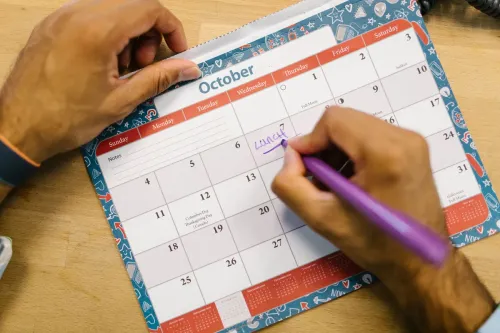
Days of the Week and Months in Tagalog
The days of the week and months in Tagalog are Spanish loanwords. Learn all 7 days and 12 months with pronunciation, plus how to say dates and 'every Monday.'