Also means
Hasà (with a grave accent) means to sharpen — as in sharpening a knife or honing a skill — which is the root sense from which the adjective 'skilled' derives.
Usage Note
Hasa describes someone who is highly skilled, practiced, or expert in a particular area, often used with 'sa' followed by a field. The word implies not just talent but cultivated ability through practice, making it a compliment with depth.
Examples
" Hasa siya sa pagluluto. "
Natural Translation
She is skilled at cooking.
Literal Translation
Skilled she in cooking.
" Kulang ka pa sa hasa. "
Natural Translation
You are still lacking in practice.
Literal Translation
Lacking you still in practice.
" Dahil sa maraming taon ng karanasan, napakahasa na niya sa pakikipag-usap sa mga kliyenteng banyaga. "
Natural Translation
Because of many years of experience, he is now very skilled at dealing with foreign clients.
Literal Translation
Because of many years of experience, very-skilled already he in dealing-with the clients foreign.
Take Tagalog with you
The full course, a 12,500-word dictionary, and flashcards that make every word stick — free to start on iOS and Android.




Tagalog builds thousands of words from a few hundred roots.
How Tagalog words workRelated Words
Explore Tagalog by topic
Free guides on grammar, vocabulary, and culture to take you past single-word lookups.
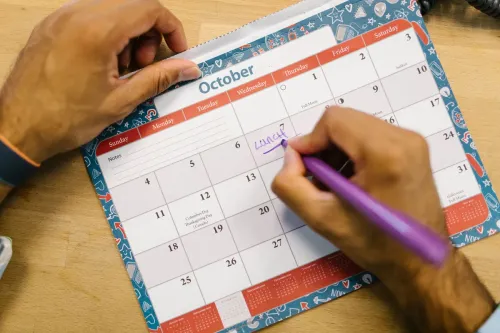
Days of the Week and Months in Tagalog
The days of the week and months in Tagalog are Spanish loanwords. Learn all 7 days and 12 months with pronunciation, plus how to say dates and 'every Monday.'

Tagalog Greetings: How to Say Hello, Goodbye & Po/Opo
Master Tagalog greetings with pronunciation: kumusta, magandang umaga, po and opo polite forms, time-of-day phrases, and the mano po tradition.

Tagalog Verb Conjugation: Aspects Made Simple
Tagalog verb conjugation uses aspects, not tenses. Learn the three aspects with -um- and mag- verbs, one reduplication rule, and clear example tables.

Tagalog Verb Focus System Explained (It's Not Active vs. Passive)
The Tagalog verb focus system isn't active vs. passive. Learn actor focus, object focus, and more with clear examples that finally make it click.