From root: higpit
Conjugations
Past (Completed)
humigpit
hu-mig-PIT
became tight
Present (Incomplete)
humihigpit
hu-mi-hig-PIT
becoming tight
Future (Contemplated)
hihigpit
hi-hig-PIT
will become tight
Usage Note
Humigpit is used to describe something becoming tight, such as a grip or a knot, and is also frequently used figuratively when regulations or security measures become stricter. It functions as an intransitive verb focusing on the process of the subject tightening or increasing in intensity.
Examples
" Humigpit ang sinturon ko. "
Natural Translation
My belt became tight.
Literal Translation
Became-tight the belt my.
" Nagsimulang humigpit ang sinturon ko. "
Natural Translation
My belt started to become tight.
Literal Translation
Started to-become-tight the belt my.
" Habang lumalala ang sitwasyon, humigpit ang seguridad sa buong paliparan kahit walang opisyal na anunsyo. "
Natural Translation
As the situation worsened, security tightened across the entire airport even without an official announcement.
Literal Translation
While worsening the situation, became-tight the security in whole airport even without official announcement.
Take Tagalog with you
The full course, a 12,500-word dictionary, and flashcards that make every word stick — free to start on iOS and Android.




Tagalog builds thousands of words from a few hundred roots.
How Tagalog words workWord family
higpit has 7 related forms built from the same root.
Related Words
Explore Tagalog by topic
Free guides on grammar, vocabulary, and culture to take you past single-word lookups.

Languages of the Philippines: Tagalog, Cebuano, and More
Languages of the Philippines: one national language (Filipino) plus 180+ regional languages. Here's who speaks what, where, and why it matters to you.

Seasons in the Philippines: A Tagalog Guide
The Philippines has two seasons, not four. Learn tag-araw, tag-ulan, and taglamig, the generative tag- prefix, and the weather vocabulary to match.
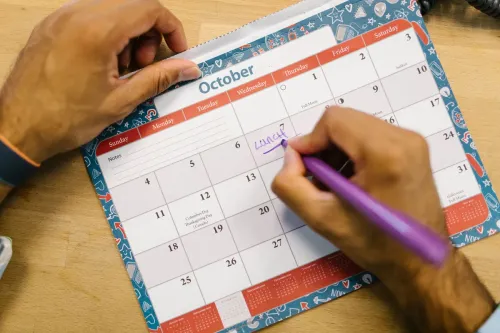
Days of the Week and Months in Tagalog
The days of the week and months in Tagalog are Spanish loanwords. Learn all 7 days and 12 months with pronunciation, plus how to say dates and 'every Monday.'

Tagalog Numbers 1-100: Counting, Time & Money Explained
Learn Tagalog numbers 1-100 and beyond. Master both native and Spanish-derived counting systems, plus telling time, reading prices, and ordinals.