Usage Note
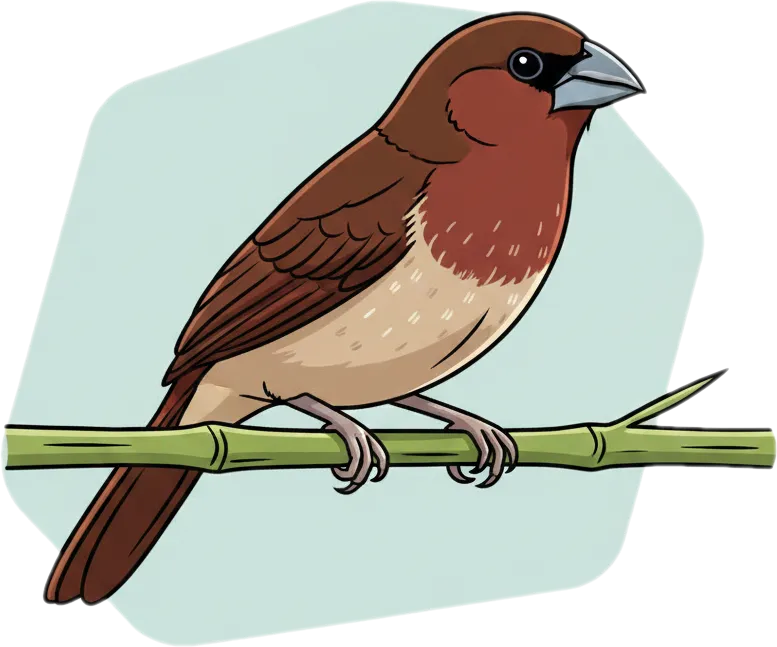
Ibon is the general term for all types of birds and is used frequently in both everyday conversation and formal literature. It applies to any avian species, whether you are referring to common city birds or exotic wildlife.
Examples
" Kumakanta ang ibon. "
Natural Translation
The bird is singing.
Literal Translation
Singing the bird.
" Lumilipad ang ibon. "
Natural Translation
The bird is flying.
Literal Translation
Flying the bird.
" Tuwing umaga, ginigising kami ng huni ng mga ibon na nakatira sa mga puno sa labas ng bintana. "
Natural Translation
Every morning, we're woken by the chirping of the birds living in the trees outside the window.
Literal Translation
Every morning, woken we by chirp of the birds that live in the trees outside of window.
Take Tagalog with you
The full course, a 12,500-word dictionary, and flashcards that make every word stick — free to start on iOS and Android.




Tagalog builds thousands of words from a few hundred roots.
How Tagalog words workDerived Words
Related Words
Explore Tagalog by topic
Free guides on grammar, vocabulary, and culture to take you past single-word lookups.

How Long Does It Take to Learn Tagalog?
Survival Tagalog takes ~3-4 weeks and comfortable conversation 6-12 months. FSI's 1,100 hours is the professional bar, not the talking-to-family bar.

Ang, Ng, Sa: The 3 Tagalog Case Markers Explained
Ang, ng, sa are the three Tagalog case markers every noun takes. Learn what each does, the personal forms si/ni/kay, plurals with mga, and clear examples.

Seasons in the Philippines: A Tagalog Guide
The Philippines has two seasons, not four. Learn tag-araw, tag-ulan, and taglamig, the generative tag- prefix, and the weather vocabulary to match.

Po and Opo in Tagalog: Where to Put Them Right
Po and opo confuse learners — but placement follows one rule. Where po goes in a sentence, why it's opo not 'oo po', and the pronoun shift to learn.