From root: ikot
Conjugations
Past (Completed)
pinaikot
pi-na-I-kot
made something spin
Present (Incomplete)
pinapaikot
pi-na-pa-I-kot
making something spin
Future (Contemplated)
papaikutin
pa-pa-i-ku-TIN
will make something spin
Usage Note
Paikutin is used when directing someone to rotate an object or metaphorically when describing manipulation or leading someone on. It is commonly heard in both literal contexts, like spinning a toy, and figurative contexts involving social deceit.
Examples
" Paikutin mo ang gulong. "
Natural Translation
Spin the wheel.
Literal Translation
Make-spin you the wheel.
" Gusto ko siyang paikutin sa mesa. "
Natural Translation
I want to make it spin on the table.
Literal Translation
Want I him make-spin at table.
" Huwag mo akong paikutin sa magandang salita kung wala ka namang balak tumulong sa amin. "
Natural Translation
Don't lead me on with sweet words if you have no intention of helping us anyway.
Literal Translation
Don't you me make-spin with beautiful words if none you anyway intention help to us.
Take Tagalog with you
The full course, a 12,500-word dictionary, and flashcards that make every word stick — free to start on iOS and Android.




Tagalog builds thousands of words from a few hundred roots.
How Tagalog words workWord family
ikot has 8 related forms built from the same root.
Related Words
Explore Tagalog by topic
Free guides on grammar, vocabulary, and culture to take you past single-word lookups.
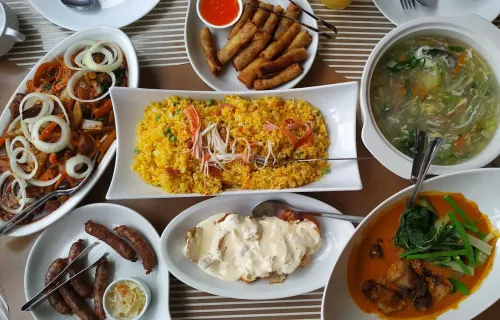
Filipino Food: 12 Essential Dishes (With Tagalog Names)
Filipino food, from adobo to halo-halo: learn the Tagalog names, pronunciations, and ingredients behind 12 dishes you'll want to try on your first trip.

Tagalog Verb Focus System Explained (It's Not Active vs. Passive)
The Tagalog verb focus system isn't active vs. passive. Learn actor focus, object focus, and more with clear examples that finally make it click.
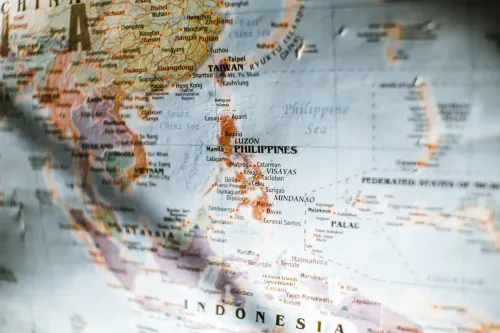
Philippines Geography for Learners: Islands & Language
Philippines geography for Tagalog learners: 7,641 islands, three island groups, and the Southern Luzon heartland where the Tagalog language was born.

Tagalog Pronouns Explained: Complete Chart with Examples
Every Tagalog pronoun explained with clear charts: ang/ng/sa forms, tayo vs kami, ikaw vs ka, politeness markers, and the mistakes beginners make.