kapain
kapaín with stress marks
to feel for [it]
From root: kapâ
Conjugations
Past (Completed)
kinapa
ki-na-PA
felt for
Present (Incomplete)
kinakapa
ki-na-ka-PA
is being felt for
Future (Contemplated)
kakapain
ka-ka-pa-IN
will be felt for
Usage Note
Kapain is the object-focus form of kapâ, used when the thing being felt for in the dark is the grammatical focus. It pairs with magkapa when the emphasis shifts from the object being sought to the person doing the searching.
Examples
" Kinapa ko ang ilaw sa dilim. "
Natural Translation
I felt for the light switch in the dark.
Literal Translation
Felt-for I the light in dark.
" Subukan mo na kapain ang susi sa bulsa. "
Natural Translation
Try to feel for the key in your pocket.
Literal Translation
Try you to feel for the key in pocket.
" Habang natutulog ang lahat, dahan-dahan kong kinapa ang telepono sa mesa para hindi sila magising. "
Natural Translation
While everyone was asleep, I slowly felt for the phone on the table so they would not wake up.
Literal Translation
While sleeping the all, slowly I felt-for the phone on table so not they wake-up.
Take Tagalog with you
The full course, a 12,500-word dictionary, and flashcards that make every word stick — free to start on iOS and Android.




Tagalog builds thousands of words from a few hundred roots.
How Tagalog words workWord family
kapâ has 1 related form built from the same root.
Related Words
Explore Tagalog by topic
Free guides on grammar, vocabulary, and culture to take you past single-word lookups.

Ng vs Nang in Tagalog: The Spelling Rule
Ng vs nang sound identical but spell differently. Use ng to mark nouns (of, the object), and nang for how, when, repetition, and counting time.

Tagalog Greetings: How to Say Hello, Goodbye & Po/Opo
Master Tagalog greetings with pronunciation: kumusta, magandang umaga, po and opo polite forms, time-of-day phrases, and the mano po tradition.
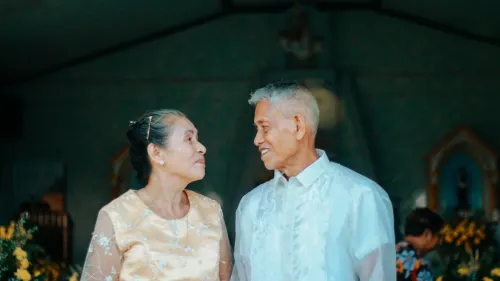
How to Say "I Love You" in Tagalog: Phrases & Meaning
Learn how to say I love you in Tagalog. Mahal kita, Iniibig kita, and Filipino terms of endearment for partners, family, and friends — with cultural notes.
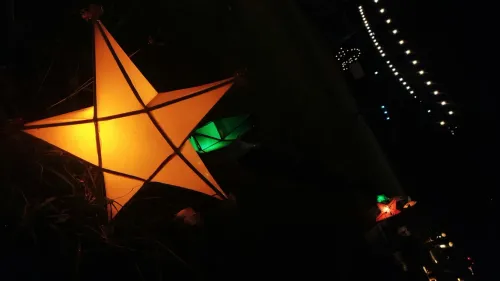
Philippine Christmas Traditions: World's Longest Holiday
Philippine Christmas traditions run four months — from Ber-month carols to Simbang Gabi dawn masses, Noche Buena feasts, and parol lanterns lighting every street.