kara-krus
kara-krús with stress marks
coin-tossing game
Usage Note
Kara-krus is a traditional Filipino street gambling game where a coin is tossed and players bet on whether it lands face up (kara, from Spanish cara) or cross up (krus). It is associated with fiestas and informal public spaces and, though technically illegal, remains commonly played.
Examples
" Maglaro tayo ng kara-krus. "
Natural Translation
Let's play coin-toss.
Literal Translation
Let's-play we of coin-toss.
" Naglalaro ng kara-krus ang mga bata sa labas ng simbahan. "
Natural Translation
The children are playing coin-toss outside the church.
Literal Translation
Playing kara-krus the children outside of-the church.
" Tuwing pista, nagtitipon ang mga lalaki sa kanto para maglaro ng kara-krus habang nag-iinuman sila at nagkukuwentuhan. "
Natural Translation
During every fiesta, the men gather at the corner to play coin-toss while they drink and swap stories.
Literal Translation
Every fiesta, gather the plural men at-the corner to play of coin-toss while drinking they and telling-stories.
Take Tagalog with you
The full course, a 12,500-word dictionary, and flashcards that make every word stick — free to start on iOS and Android.




Tagalog builds thousands of words from a few hundred roots.
How Tagalog words workRelated Words
Explore Tagalog by topic
Free guides on grammar, vocabulary, and culture to take you past single-word lookups.

Tagalog Affixes Explained: A Beginner's Guide to Word Building
Tagalog affixes turn one root word into dozens of meanings. Learn prefixes, infixes, suffixes, and circumfixes with clear examples for beginners.
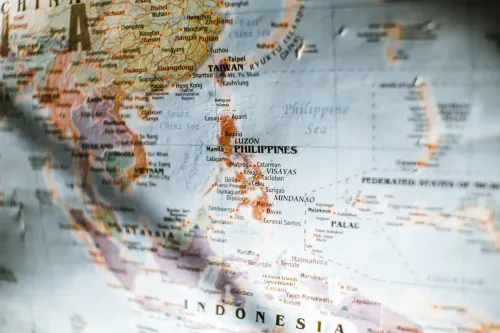
Philippines Geography for Learners: Islands & Language
Philippines geography for Tagalog learners: 7,641 islands, three island groups, and the Southern Luzon heartland where the Tagalog language was born.

Seasons in the Philippines: A Tagalog Guide
The Philippines has two seasons, not four. Learn tag-araw, tag-ulan, and taglamig, the generative tag- prefix, and the weather vocabulary to match.

Tagalog Word Order: Sentence Structure Made Simple
Why Tagalog puts the verb first, and how ang, ng, and sa markers work. A clear guide to VSO word order, forming questions, and negation.