From root: kolekta
Conjugations
Past (Completed)
nagkolekta
nag-ko-lek-TA
collected
Present (Incomplete)
nagkokolekta
nag-ko-ko-lek-TA
collecting
Future (Contemplated)
magkokolekta
mag-ko-ko-lek-TA
will collect
Usage Note
Magkolekta is used when an actor intentionally gathers items, such as for a hobby, a job like garbage collection, or for donations. It is the standard term used in both casual and professional settings when referring to the act of accumulating specific objects.
Examples
" Mahilig akong magkolekta ng barya. "
Natural Translation
I like to collect coins.
Literal Translation
Fond I to-collect of coins.
" Hilig niya ang magkolekta ng mga selyo. "
Natural Translation
He likes to collect stamps.
Literal Translation
Fond he the to collect of stamps.
" Mula pagkabata, mahilig na siyang magkolekta ng mga lumang selyo na minana niya pa sa kanyang lolo. "
Natural Translation
Since childhood, he has loved to collect old stamps that he inherited from his grandfather.
Literal Translation
From childhood, fond already he to-collect of old stamps that inherited he still from his grandfather.
Take Tagalog with you
The full course, a 12,500-word dictionary, and flashcards that make every word stick — free to start on iOS and Android.




Tagalog builds thousands of words from a few hundred roots.
How Tagalog words workWord family
kolekta has 6 related forms built from the same root.
Related Words
Explore Tagalog by topic
Free guides on grammar, vocabulary, and culture to take you past single-word lookups.
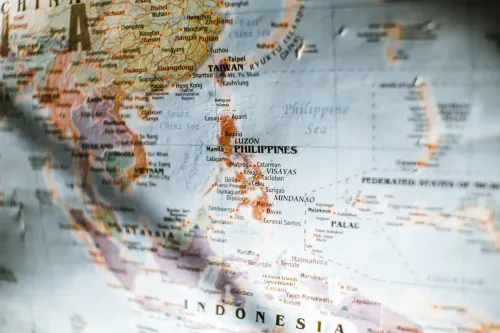
Philippines Geography for Learners: Islands & Language
Philippines geography for Tagalog learners: 7,641 islands, three island groups, and the Southern Luzon heartland where the Tagalog language was born.

Languages of the Philippines: Tagalog, Cebuano, and More
Languages of the Philippines: one national language (Filipino) plus 180+ regional languages. Here's who speaks what, where, and why it matters to you.
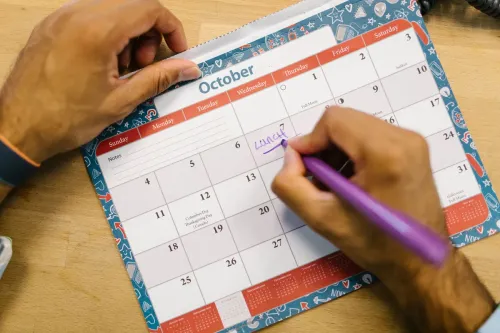
Days of the Week and Months in Tagalog
The days of the week and months in Tagalog are Spanish loanwords. Learn all 7 days and 12 months with pronunciation, plus how to say dates and 'every Monday.'

Ang, Ng, Sa: The 3 Tagalog Case Markers Explained
Ang, ng, sa are the three Tagalog case markers every noun takes. Learn what each does, the personal forms si/ni/kay, plurals with mga, and clear examples.