From root: lambot
Usage Note
Kalambutan is an abstract ka- nominalization of lambot denoting the quality of softness as a property, whether in a material object or in a person's character. In its metaphorical use, kalambutan ng puso conveys emotional tenderness or compassion and is common in literary and devotional language.
Examples
" Nagustuhan ko ang kalambutan ng tela. "
Natural Translation
I liked the softness of the cloth.
Literal Translation
Liked I the softness of cloth.
" Gusto ko ang kalambutan ng unan. "
Natural Translation
I like the softness of the pillow.
Literal Translation
Want I the softness of pillow.
" Sa likod ng matigas niyang anyo ay nakatago ang isang kalambutan ng puso na iilan lamang ang nakakakita. "
Natural Translation
Behind his tough exterior is hidden a tenderness of heart that only a few get to see.
Literal Translation
In back of hard his appearance is hidden the one softness of heart that few only the can-see.
Take Tagalog with you
The full course, a 12,500-word dictionary, and flashcards that make every word stick — free to start on iOS and Android.




Tagalog builds thousands of words from a few hundred roots.
How Tagalog words workWord family
lambot has 7 related forms built from the same root.
Explore Tagalog by topic
Free guides on grammar, vocabulary, and culture to take you past single-word lookups.

Philippines Geography for Learners: Islands & Language
Philippines geography for Tagalog learners: 7,641 islands, three island groups, and the Southern Luzon heartland where the Tagalog language was born.

Is Tagalog Hard to Learn? An Honest Answer
Tagalog takes around 1,100 hours to reach professional proficiency. Here is what is easy, what is hard, and what to expect at 3, 6, and 12 months.

Mano Po and Filipino Etiquette: A Visitor's Guide
Mano po presses an elder's hand to your forehead as a blessing. Learn who to mano, how to lip-point, and the etiquette that wins over a Filipino family.
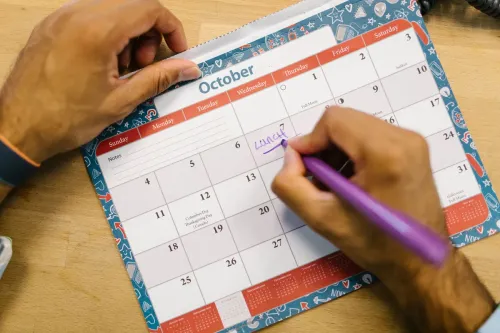
Days of the Week and Months in Tagalog
The days of the week and months in Tagalog are Spanish loanwords. Learn all 7 days and 12 months with pronunciation, plus how to say dates and 'every Monday.'