mismo
mísmo with stress marks
itself; oneself; right (now, here)
Usage Note
Mismo comes from Spanish and follows the word it stresses, the way English uses '-self' or 'right': ako mismo is 'I myself', ngayon mismo is 'right now', dito mismo is 'right here'. It adds emphasis only — for 'self' as a noun, use sarili.
Examples
" Ngayon mismo. "
Natural Translation
Right now.
Literal Translation
Now itself.
" Ako mismo ang nagluto nito. "
Natural Translation
I cooked this myself.
Literal Translation
I myself the cooked of-this.
" Ang may-ari mismo ng restawran ang lumapit sa mesa namin para humingi ng paumanhin sa matagal na paghihintay. "
Natural Translation
The owner of the restaurant himself came to our table to apologize for the long wait.
Literal Translation
The owner himself of restaurant the approached to table our in-order to-ask of apology for long [linker] waiting.
Take Tagalog with you
The full course, a 12,500-word dictionary, and flashcards that make every word stick — free to start on iOS and Android.


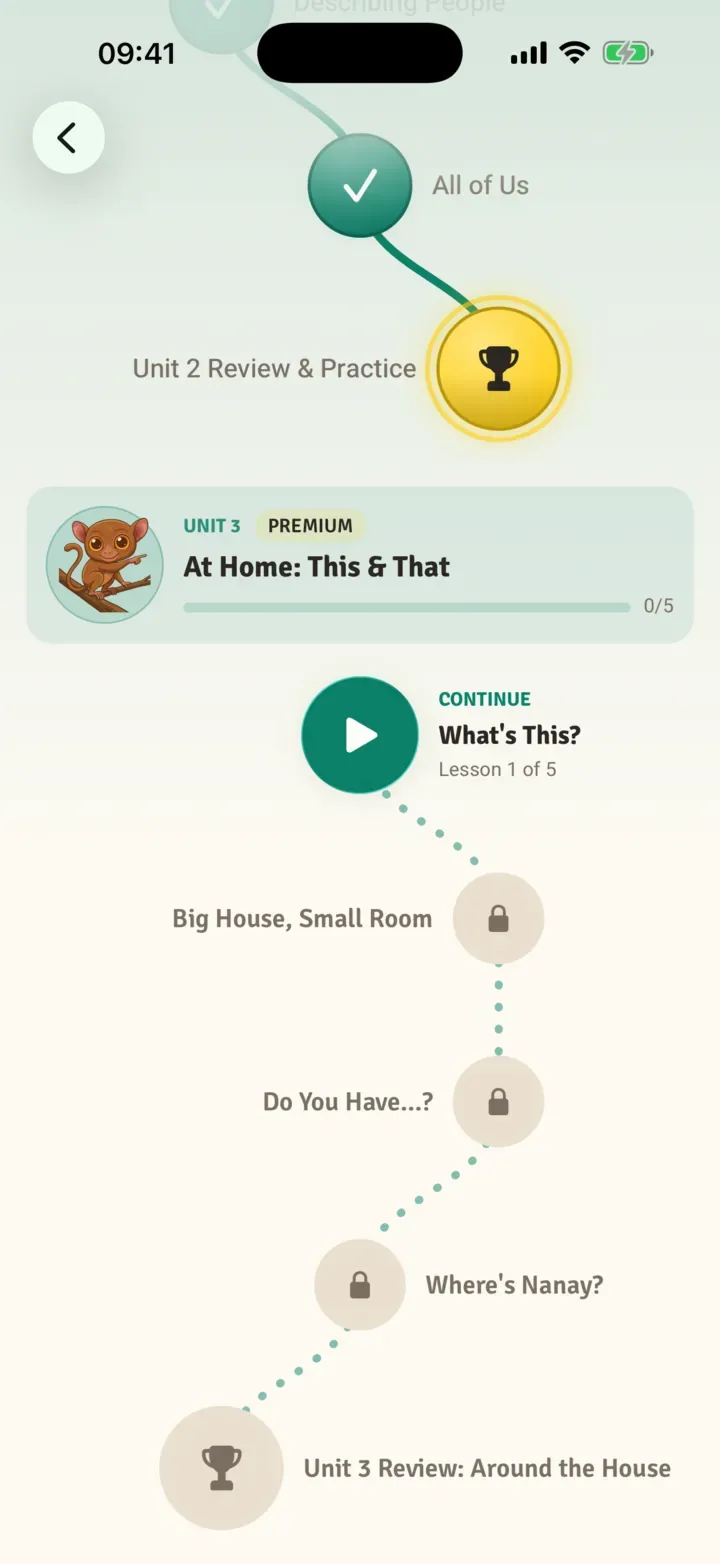
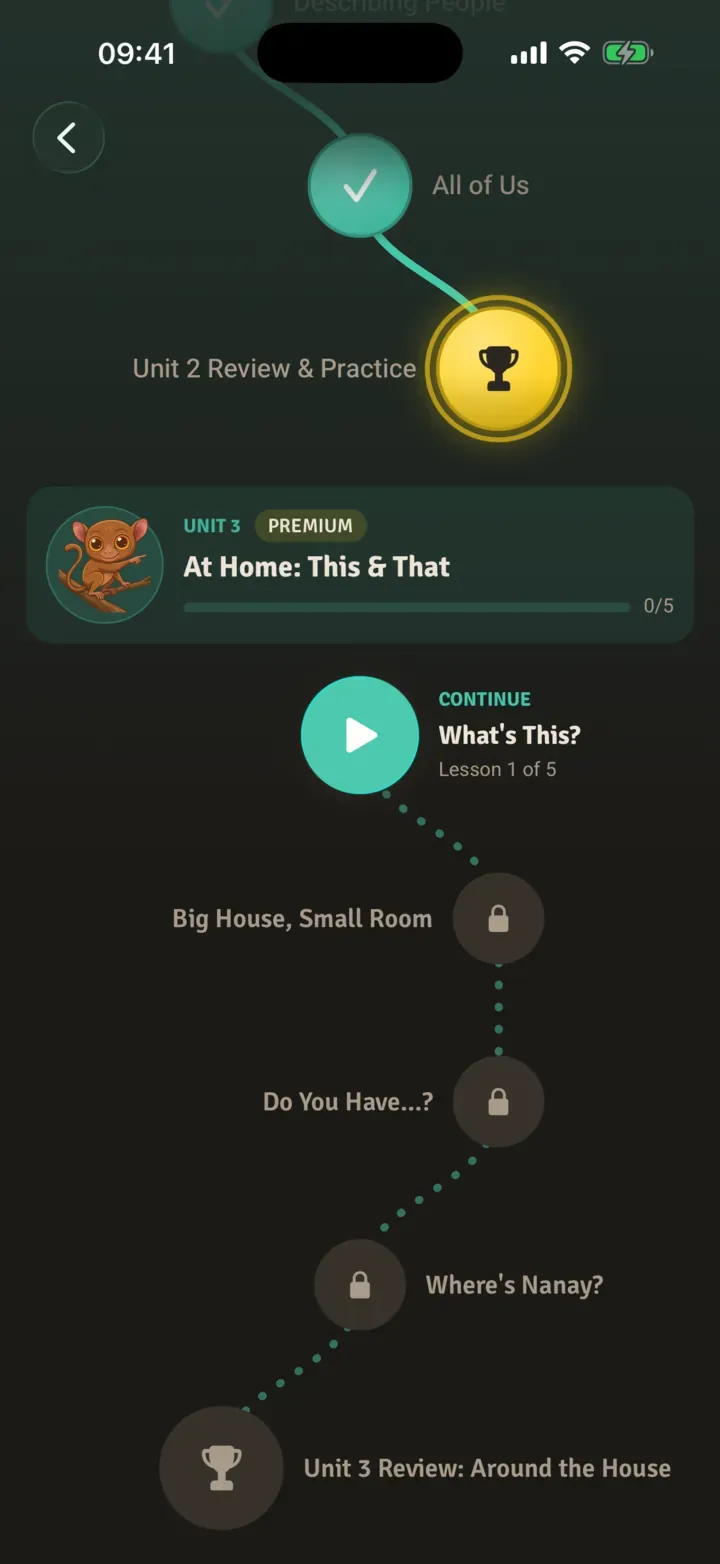
Tagalog builds thousands of words from a few hundred roots.
How Tagalog words workRelated Words
Explore Tagalog by topic
Free guides on grammar, vocabulary, and culture to take you past single-word lookups.

Tagalog Verb Conjugation: Aspects Made Simple
Tagalog verb conjugation uses aspects, not tenses. Learn the three aspects with -um- and mag- verbs, one reduplication rule, and clear example tables.
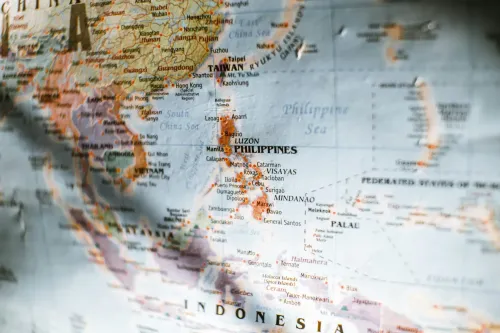
Philippines Geography for Learners: Islands & Language
Philippines geography for Tagalog learners: 7,641 islands, three island groups, and the Southern Luzon heartland where the Tagalog language was born.

Tagalog Question Words: Ano, Sino, Saan & More
Tagalog question words like ano, sino, and saan need the right frame to work. Learn the ang-vs-pronoun rule, confusable pairs, and the ba particle with audio.

Tagalog Time Expressions: Past, Present & Future Guide
Tagalog has no tenses — it uses aspect. Learn time words, days of the week, clock time, and the aspect system, with vocabulary tables and cultural notes.