sambitan
sambítan with stress marks
dirge; loud grief; lamentation
From root: sambit
Usage Note
Sambitan refers to a loud outpouring of grief — a wailing lament, often at a wake or funeral. It captures the tradition of expressive mourning in Filipino culture, where grief is communally shared and vocal expression is considered natural and appropriate at a loved one's passing.
Examples
" Malungkot ang kanilang sambitan. "
Natural Translation
Their lamentation is sad.
Literal Translation
Sad the their lamentation.
" Rinig ko ang kanilang sambitan. "
Natural Translation
I hear their lamentation.
Literal Translation
Hear I the their lamentation.
" Buong gabi sa lamay, naririnig ang sambitan ng mga kapamilya na hindi makapaniwala sa biglaang pagpanaw ng matanda. "
Natural Translation
All night at the wake, the lamentation of the family members who couldn't believe the elder's sudden passing could be heard.
Literal Translation
Whole night at wake, heard the lamentation of the family-members who not believe in sudden passing of elder.
Take Tagalog with you
The full course, a 12,500-word dictionary, and flashcards that make every word stick — free to start on iOS and Android.




Tagalog builds thousands of words from a few hundred roots.
How Tagalog words workWord family
sambit has 1 related form built from the same root.
Related Words
Explore Tagalog by topic
Free guides on grammar, vocabulary, and culture to take you past single-word lookups.

Tagalog Affixes Explained: A Beginner's Guide to Word Building
Tagalog affixes turn one root word into dozens of meanings. Learn prefixes, infixes, suffixes, and circumfixes with clear examples for beginners.

Mano Po and Filipino Etiquette: A Visitor's Guide
Mano po presses an elder's hand to your forehead as a blessing. Learn who to mano, how to lip-point, and the etiquette that wins over a Filipino family.
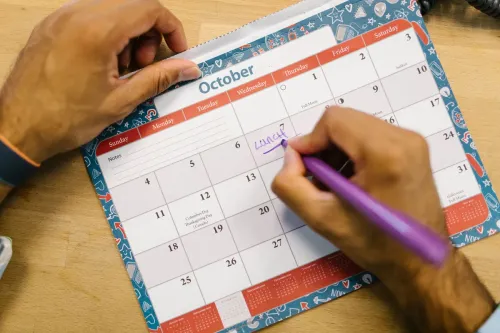
Days of the Week and Months in Tagalog
The days of the week and months in Tagalog are Spanish loanwords. Learn all 7 days and 12 months with pronunciation, plus how to say dates and 'every Monday.'

Tagalog vs Filipino: What's the Difference & Which to Learn
Tagalog and Filipino aren't the same language — but they overlap almost completely. Here's the real difference and which one you should actually learn.