si
marker for a person's name (topic)
Usage Note
Si is the marker placed before a person's name — or a kinship title used as a name, like Nanay — when that person is the topic of the sentence. It is the personal-name counterpart of ang and has no English equivalent. Use ni when the person is the doer or owner and kay for 'to' or 'for'; for more than one person the plural is sina.
Examples
" Si Ana ito. "
Natural Translation
This is Ana.
Literal Translation
[name-marker] Ana this.
" Nagluluto si Nanay ng adobo sa kusina. "
Natural Translation
Mom is cooking adobo in the kitchen.
Literal Translation
Is-cooking [name-marker] Mom of adobo in kitchen.
" Sinabi sa akin ni Carlo na si Liza ang nag-ayos ng lahat ng papeles para sa biyahe namin. "
Natural Translation
Carlo told me that Liza was the one who arranged all the paperwork for our trip.
Literal Translation
Was-said to me by Carlo that [name-marker] Liza the arranged of all of papers for the trip our.
Take Tagalog with you
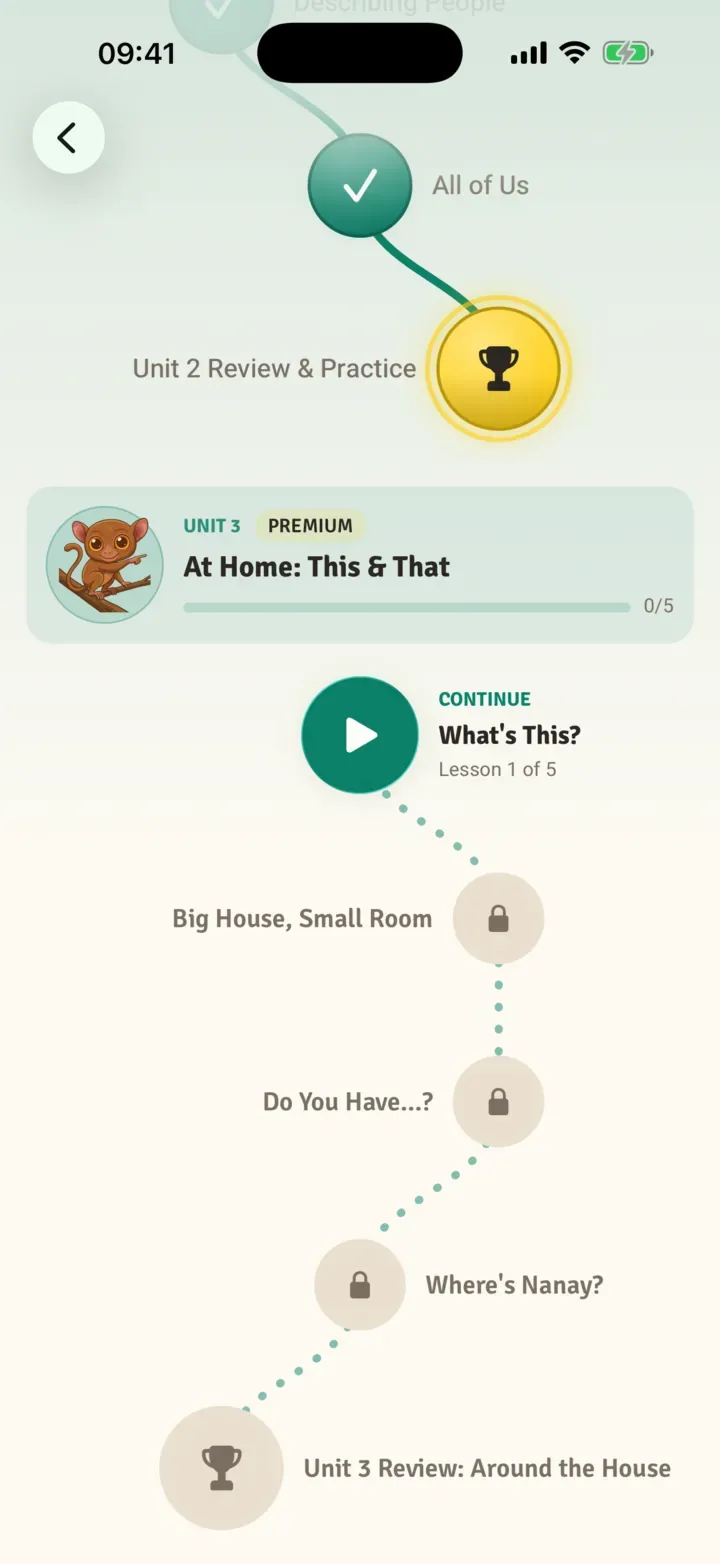
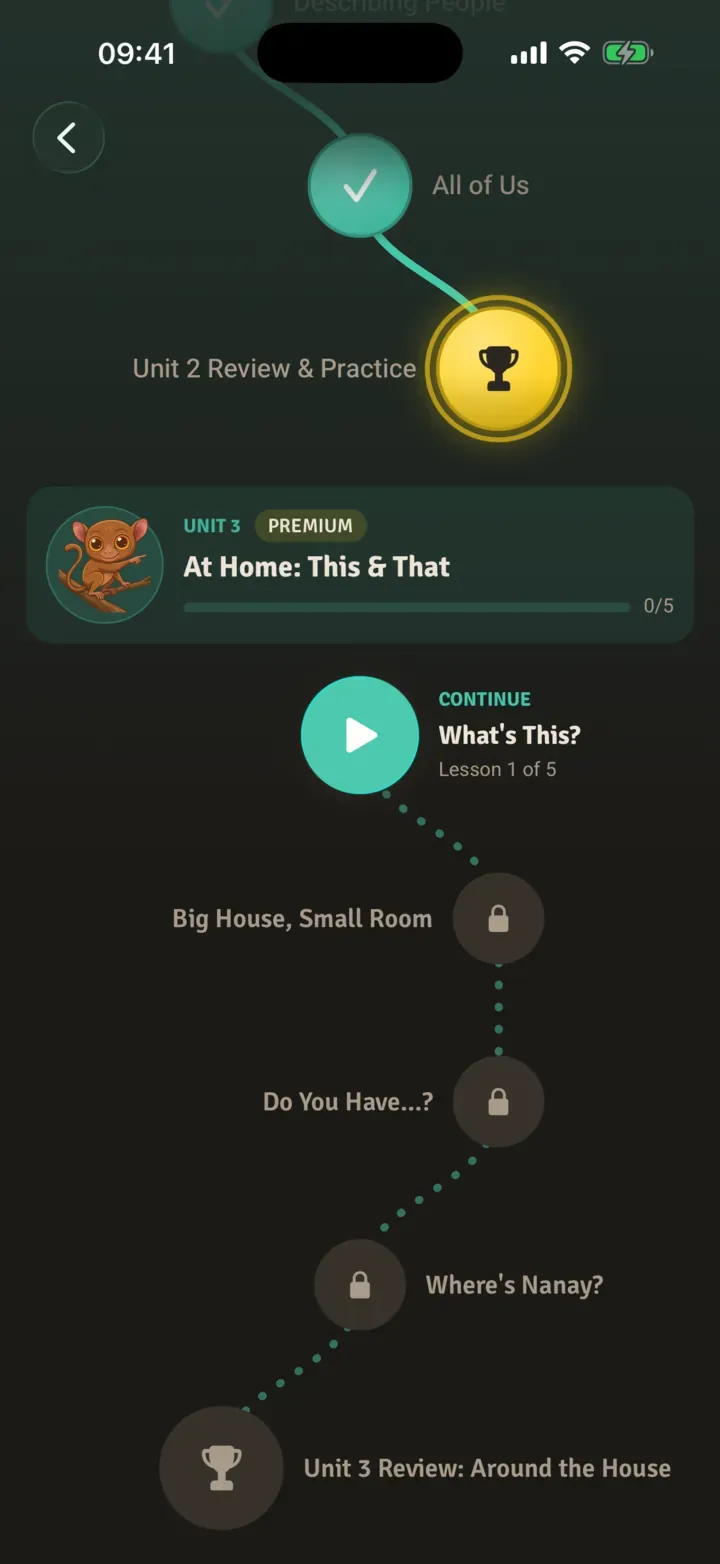
The full course, a 12,500-word dictionary, and flashcards that make every word stick — free to start on iOS and Android.


Tagalog builds thousands of words from a few hundred roots.
How Tagalog words workRelated Words
Explore Tagalog by topic
Free guides on grammar, vocabulary, and culture to take you past single-word lookups.

Ang, Ng, Sa: The 3 Tagalog Case Markers Explained
Ang, ng, sa are the three Tagalog case markers every noun takes. Learn what each does, the personal forms si/ni/kay, plurals with mga, and clear examples.

Tagalog Word Order: Sentence Structure Made Simple
Why Tagalog puts the verb first, and how ang, ng, and sa markers work. A clear guide to VSO word order, forming questions, and negation.

How to Say "I Love You" in Tagalog: Phrases & Meaning
Learn how to say I love you in Tagalog. Mahal kita, Iniibig kita, and Filipino terms of endearment for partners, family, and friends — with cultural notes.

Na vs -ng in Tagalog: The Linker Rule Made Simple
When do you use na vs -ng in Tagalog? One simple rule, with clear examples, memory tips, and common mistakes explained for English-speaking beginners.