tunggali
tunggalî with stress marks
conflict; debate; to compete or fight
Usage Note
Tunggali describes opposition or rivalry — a clash between two parties, whether in debate, sports, or armed conflict. It carries a sense of direct confrontation and is used in both formal writing and everyday speech. Makipagtunggali means to enter into competition or conflict with someone.
Examples
" May tunggali ang dalawang grupo. "
Natural Translation
The two groups have a conflict.
Literal Translation
Has conflict the two group.
" Nanalo siya sa tunggali ng mga makata. "
Natural Translation
He/She won the debate of the poets.
Literal Translation
Won he/she in debate of poets.
" Handa siyang makipagtunggali sa sinumang tatangkang agawin ang lupa ng kanilang pamilya. "
Natural Translation
He is ready to fight anyone who attempts to seize his family's land.
Literal Translation
Ready he to fight to anyone-that will-attempt to-grab the land of their family.
Take Tagalog with you
The full course, a 12,500-word dictionary, and flashcards that make every word stick — free to start on iOS and Android.




Tagalog builds thousands of words from a few hundred roots.
How Tagalog words workDerived Words
Actor Focus Verbs
Related Words
Explore Tagalog by topic
Free guides on grammar, vocabulary, and culture to take you past single-word lookups.
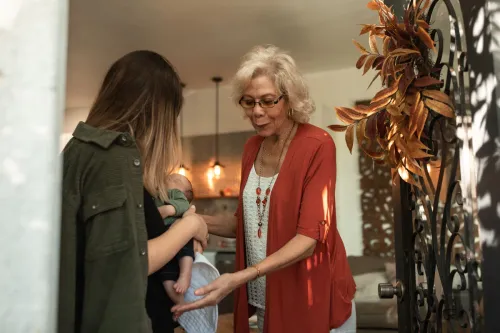
Mano Po and Filipino Etiquette: A Visitor's Guide
Mano po presses an elder's hand to your forehead as a blessing. Learn who to mano, how to lip-point, and the etiquette that wins over a Filipino family.
Po and Opo in Tagalog: Where to Put Them Right
Po and opo confuse learners — but placement follows one rule. Where po goes in a sentence, why it's opo not 'oo po', and the pronoun shift to learn.
May vs Mayroon vs Meron: Have & There Is
May vs mayroon in Tagalog finally made simple: one rule decides which to use, plus how meron and wala fit the same have and there-is family.
Filipino Family Words and Honorifics: Ate, Kuya & Tita
Filipino family words like ate, kuya, tita, tito, lolo, and lola go far beyond family — learn how Filipinos use them with strangers, plus mano po etiquette.