biyahe
biyáhe with stress marks
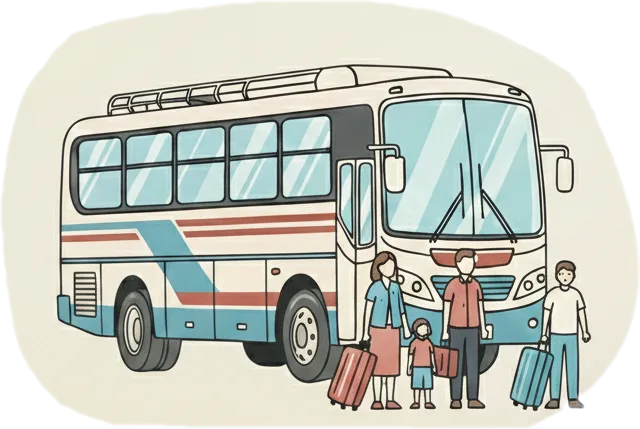
trip; journey
Usage Note
Biyahe is frequently used to describe both short daily commutes and long-distance travels. It also carries a metaphorical sense of "experience" or "time spent" in a particular state or activity.
Examples
" Mahaba ang biyahe namin. "
Natural Translation
Our trip was long.
Literal Translation
Long the trip our.
" Masaya ang aming biyahe sa Baguio. "
Natural Translation
Our trip to Baguio was fun.
Literal Translation
Happy the our trip to Baguio.
" Kahit pagod kami pagkatapos ng mahabang biyahe, sulit na sulit dahil ang ganda ng tanawin sa probinsya. "
Natural Translation
Even though we were tired after the long trip, it was completely worth it because the scenery in the province was beautiful.
Literal Translation
Even tired we after the long trip, worth very because the beauty of view in province.
Take Tagalog with you
The full course, a 12,500-word dictionary, and flashcards that make every word stick — free to start on iOS and Android.




Tagalog builds thousands of words from a few hundred roots.
How Tagalog words workDerived Words
Actor Focus Verbs
Object Focus Verbs
Related Words
Explore Tagalog by topic
Free guides on grammar, vocabulary, and culture to take you past single-word lookups.

Tagalog Root Words: Learn a Few Hundred, Understand Thousands
Tagalog root words unlock vocabulary fast: learn a few hundred and recognize thousands. Real word families, examples, and a practical study strategy.

Tagalog Pronouns Explained: Complete Chart with Examples
Every Tagalog pronoun explained with clear charts: ang/ng/sa forms, tayo vs kami, ikaw vs ka, politeness markers, and the mistakes beginners make.

Filipino Family Words and Honorifics: Ate, Kuya & Tita
Filipino family words like ate, kuya, tita, tito, lolo, and lola go far beyond family — learn how Filipinos use them with strangers, plus mano po etiquette.

Tagalog vs Filipino: What's the Difference & Which to Learn
Tagalog and Filipino aren't the same language — but they overlap almost completely. Here's the real difference and which one you should actually learn.