giikin
giikín with stress marks
to thresh [it]
From root: giik
Conjugations
Past (Completed)
giniik
gi-ni-IK
threshed
Present (Incomplete)
ginigiik
gi-ni-gi-IK
is being threshed
Future (Contemplated)
gigiikin
gi-gi-i-KIN
will be threshed
Usage Note
Giikin is the object-focus infinitive of giik, a traditional rice-processing method where stalks are beaten or trodden to separate grain from chaff. Its actor-focus partner is gumiik, and both words are mostly agricultural vocabulary heard in rural provinces during harvest season.
Examples
" Giikin natin ang palay. "
Natural Translation
Let's thresh the rice.
Literal Translation
Thresh we the rice-grain.
" Handa na sila na giikin ang mga ani. "
Natural Translation
They are ready now to thresh the harvest.
Literal Translation
Ready now they to thresh the harvest.
" Bago giikin ang mga ani, pinatutuyo muna nila ito sa araw upang madaling humiwalay ang butil sa dayami. "
Natural Translation
Before threshing the harvest, they first dry it in the sun so the grain separates easily from the straw.
Literal Translation
Before thresh the harvest, dry first they it in sun so easily separate the grain from straw.
Take Tagalog with you
The full course, a 12,500-word dictionary, and flashcards that make every word stick — free to start on iOS and Android.




Tagalog builds thousands of words from a few hundred roots.
How Tagalog words workWord family
giik has 1 related form built from the same root.
Related Words
Explore Tagalog by topic
Free guides on grammar, vocabulary, and culture to take you past single-word lookups.

Tagalog Slang Guide: 20 Words You'll Hear on TikTok
Tagalog slang explained: lodi, petmalu, werpa, astig, chika and more. Decode Filipino TikTok comments, group chats, and pop culture with this practical guide.

Seasons in the Philippines: A Tagalog Guide
The Philippines has two seasons, not four. Learn tag-araw, tag-ulan, and taglamig, the generative tag- prefix, and the weather vocabulary to match.

Tagalog Verb Conjugation: Aspects Made Simple
Tagalog verb conjugation uses aspects, not tenses. Learn the three aspects with -um- and mag- verbs, one reduplication rule, and clear example tables.
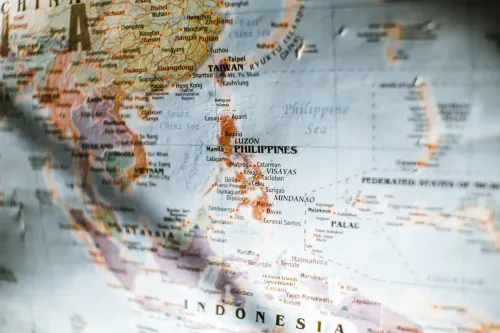
Philippines Geography for Learners: Islands & Language
Philippines geography for Tagalog learners: 7,641 islands, three island groups, and the Southern Luzon heartland where the Tagalog language was born.