kalasag
kalásag with stress marks
shield
Usage Note
Kalasag was the traditional wooden or rattan shield used by pre-colonial Filipino warriors. Today it is a culturally resonant word symbolizing protection and defense, used in names of government agencies (e.g., Kalasag program for disaster resilience) and advocacy campaigns. It rarely refers to a physical shield in contemporary speech.
Examples
" Hawak ng sundalo ang kalasag. "
Natural Translation
The soldier holds the shield.
Literal Translation
Held of-the soldier the shield.
" Ang kalasag ng bayani ay gawa sa kahoy at niyog. "
Natural Translation
The hero's shield was made of wood and coconut.
Literal Translation
The shield of-the hero is made of wood and coconut.
" Sa mga kuwento ng ating mga ninuno, ang kalasag ay hindi lamang sandata kundi simbolo rin ng tapang at karangalan ng mandirigma. "
Natural Translation
In the stories of our ancestors, the shield was not only a weapon but also a symbol of the warrior's courage and honor.
Literal Translation
In the stories of our ancestors, the shield is not only weapon but symbol also of courage and honor of-the warrior.
Take Tagalog with you
The full course, a 12,500-word dictionary, and flashcards that make every word stick — free to start on iOS and Android.




Tagalog builds thousands of words from a few hundred roots.
How Tagalog words workRelated Words
Explore Tagalog by topic
Free guides on grammar, vocabulary, and culture to take you past single-word lookups.
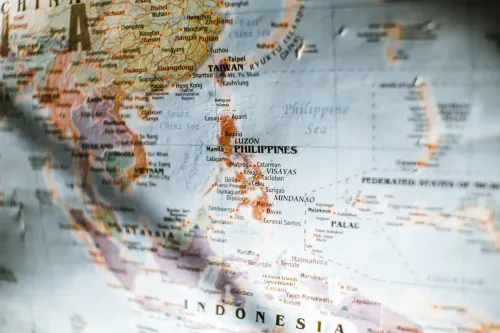
Philippines Geography for Learners: Islands & Language
Philippines geography for Tagalog learners: 7,641 islands, three island groups, and the Southern Luzon heartland where the Tagalog language was born.

How to Say "I Love You" in Tagalog: Phrases & Meaning
Learn how to say I love you in Tagalog. Mahal kita, Iniibig kita, and Filipino terms of endearment for partners, family, and friends — with cultural notes.

Is Tagalog Hard to Learn? An Honest Answer
Tagalog takes around 1,100 hours to reach professional proficiency. Here is what is easy, what is hard, and what to expect at 3, 6, and 12 months.
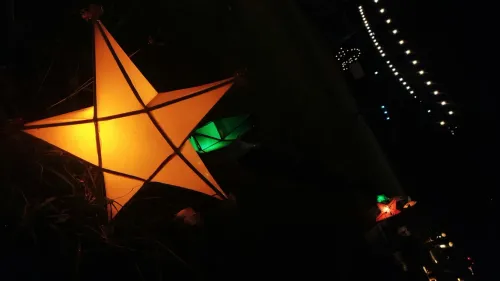
Philippine Christmas Traditions: World's Longest Holiday
Philippine Christmas traditions run four months — from Ber-month carols to Simbang Gabi dawn masses, Noche Buena feasts, and parol lanterns lighting every street.