kandiliin
kandiliín with stress marks
to nurture [him/her]
From root: kandili
Conjugations
Past (Completed)
kinandili
ki-nan-di-LI
nurtured
Present (Incomplete)
kinakandili
ki-na-kan-di-LI
is being nurtured
Future (Contemplated)
kakandiliin
ka-kan-di-li-IN
will be nurtured
Usage Note
Kandiliin is the object-focus form of kandili, used when the person being nurtured or sheltered is the grammatical focus. Like magkandili, it belongs to a formal, often literary register and conveys tender, devoted care rather than routine assistance.
Examples
" Kandiliin natin ang mga bata. "
Natural Translation
Let's nurture the children.
Literal Translation
Nurture we the children.
" Dapat nating kandiliin ang mga may sakit. "
Natural Translation
We should nurture the sick.
Literal Translation
Should we to nurture the sick.
" Sa kabila ng kahirapan, patuloy niyang kinandili ang mga ulilang bata na parang sila ay kanyang sariling anak. "
Natural Translation
Despite the hardship, she continued to nurture the orphaned children as if they were her own.
Literal Translation
In spite of hardship, continued she nurtured the orphaned children like they are her own child.
Take Tagalog with you
The full course, a 12,500-word dictionary, and flashcards that make every word stick — free to start on iOS and Android.




Tagalog builds thousands of words from a few hundred roots.
How Tagalog words workWord family
kandili has 1 related form built from the same root.
Related Words
Explore Tagalog by topic
Free guides on grammar, vocabulary, and culture to take you past single-word lookups.

How to Say Sorry in Tagalog: Patawad vs Pasensya
How to say sorry in Tagalog: patawad, pasensya na, and paumanhin compared on a simple severity-and-formality ladder so you pick the right word every time.

Philippine Christmas Traditions: World's Longest Holiday
Philippine Christmas traditions run four months — from Ber-month carols to Simbang Gabi dawn masses, Noche Buena feasts, and parol lanterns lighting every street.
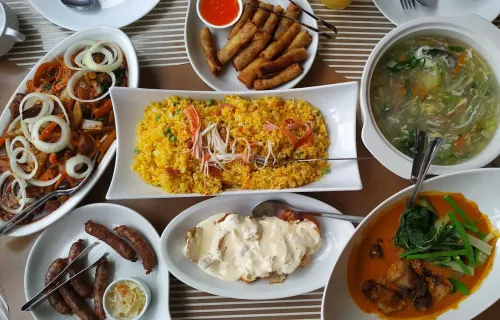
Filipino Food: 12 Essential Dishes (With Tagalog Names)
Filipino food, from adobo to halo-halo: learn the Tagalog names, pronunciations, and ingredients behind 12 dishes you'll want to try on your first trip.

Mano Po and Filipino Etiquette: A Visitor's Guide
Mano po presses an elder's hand to your forehead as a blessing. Learn who to mano, how to lip-point, and the etiquette that wins over a Filipino family.