Usage Note
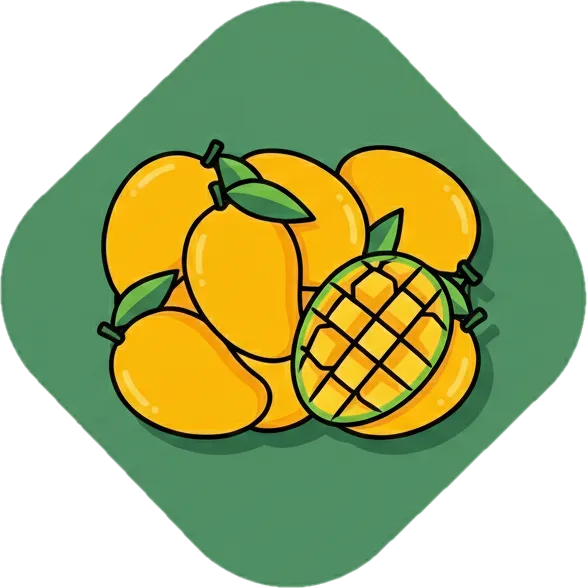
Mangga is the national fruit of the Philippines and is enjoyed both fully ripe and sweet or green and sour. Green mangoes are a beloved pairing with bagoong, fermented shrimp paste, making one of the country's most iconic street snacks.
Examples
" Ang tamis ng manggang ito. "
Natural Translation
This mango is so sweet.
Literal Translation
The sweetness of mango this.
" Ang mangga ay hinog. "
Natural Translation
The mango is ripe.
Literal Translation
The mango is ripe.
" Mas gusto ng tatay ko ang hilaw na mangga na sinasawsaw sa bagoong kaysa sa hinog na matamis. "
Natural Translation
My dad prefers green mango dipped in shrimp paste over the sweet ripe one.
Literal Translation
More likes of father my the green mango that dipped in shrimp-paste than in ripe sweet.
Take Tagalog with you
The full course, a 12,500-word dictionary, and flashcards that make every word stick — free to start on iOS and Android.




Tagalog builds thousands of words from a few hundred roots.
How Tagalog words workDerived Words
Related Words
Explore Tagalog by topic
Free guides on grammar, vocabulary, and culture to take you past single-word lookups.

Tagalog Pronouns Explained: Complete Chart with Examples
Every Tagalog pronoun explained with clear charts: ang/ng/sa forms, tayo vs kami, ikaw vs ka, politeness markers, and the mistakes beginners make.

Po and Opo in Tagalog: Where to Put Them Right
Po and opo confuse learners — but placement follows one rule. Where po goes in a sentence, why it's opo not 'oo po', and the pronoun shift to learn.
May vs Mayroon vs Meron: Have & There Is
May vs mayroon in Tagalog finally made simple: one rule decides which to use, plus how meron and wala fit the same have and there-is family.

Tagalog Root Words: Learn a Few Hundred, Understand Thousands
Tagalog root words unlock vocabulary fast: learn a few hundred and recognize thousands. Real word families, examples, and a practical study strategy.