dayap
dayáp with stress marks
Philippine lime
Usage Note
Dayap (Citrus aurantifolia) is a small, thin-skinned lime native to the Philippines, distinct from the more common calamansi. Its juice is prized for its sharp, fragrant sourness and is used in marinades, sauces, cocktails, and traditional remedies. It features prominently in Filipino culinary culture and is associated with freshness and zest.
Examples
" Pinigaan niya ng dayap ang isda. "
Natural Translation
She squeezed lime onto the fish.
Literal Translation
Squeezed-onto by-her of lime the fish.
" Pinalamanan ng dayap ang kuchinta para mas mabango. "
Natural Translation
Philippine lime was added to the kuchinta to make it more fragrant.
Literal Translation
Filled-with lime the kuchinta so more fragrant.
" Maraming Pilipino ang naniniwala na ang katas ng dayap na may pulot ay nakapagpapaginhawa ng masakit na lalamunan. "
Natural Translation
Many Filipinos believe that lime juice with honey relieves a sore throat.
Literal Translation
Many Filipino the believe that the juice of lime that with honey relieves of painful linker throat.
Take Tagalog with you
The full course, a 12,500-word dictionary, and flashcards that make every word stick — free to start on iOS and Android.




Tagalog builds thousands of words from a few hundred roots.
How Tagalog words workRelated Words
Explore Tagalog by topic
Free guides on grammar, vocabulary, and culture to take you past single-word lookups.

Po and Opo in Tagalog: Where to Put Them Right
Po and opo confuse learners — but placement follows one rule. Where po goes in a sentence, why it's opo not 'oo po', and the pronoun shift to learn.

How to Say Sorry in Tagalog: Patawad vs Pasensya
How to say sorry in Tagalog: patawad, pasensya na, and paumanhin compared on a simple severity-and-formality ladder so you pick the right word every time.

Tagalog Time Expressions: Past, Present & Future Guide
Tagalog has no tenses — it uses aspect. Learn time words, days of the week, clock time, and the aspect system, with vocabulary tables and cultural notes.
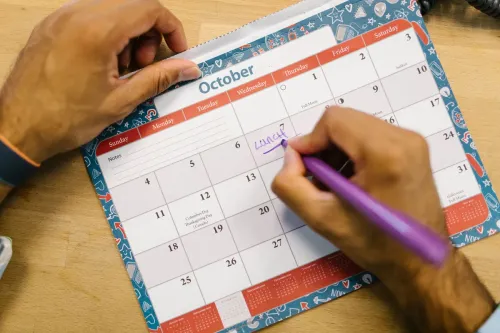
Days of the Week and Months in Tagalog
The days of the week and months in Tagalog are Spanish loanwords. Learn all 7 days and 12 months with pronunciation, plus how to say dates and 'every Monday.'