otograpiya
otograpíya with stress marks
autography; own handwriting
Usage Note
Otograpiya is a rare, formal term borrowed from English 'autography,' referring to a person's own handwriting or the study thereof. It is distinct from otograp and is almost exclusively encountered in academic or archival contexts dealing with manuscript studies.
Examples
" Maganda ang kaniyang otograpiya. "
Natural Translation
His/Her handwriting is beautiful.
Literal Translation
Beautiful the his/her autography.
" Ang lumang liham ay isang halimbawa ng otograpiya. "
Natural Translation
The old letter is an example of autography.
Literal Translation
The old letter is one example of autography.
" Sinuri ng mga dalubhasa ang otograpiya sa lumang manuskrito upang matiyak kung tunay ngang kamay ng manunulat ang sumulat nito. "
Natural Translation
The experts examined the handwriting in the old manuscript to verify whether it was truly the writer's own hand that wrote it.
Literal Translation
Examined of the plural expert the autography in-the old manuscript in-order ensure if true indeed hand of writer the wrote this.
Take Tagalog with you
The full course, a 12,500-word dictionary, and flashcards that make every word stick — free to start on iOS and Android.




Tagalog builds thousands of words from a few hundred roots.
How Tagalog words workRelated Words
Explore Tagalog by topic
Free guides on grammar, vocabulary, and culture to take you past single-word lookups.

Is Tagalog Hard to Learn? An Honest Answer
Tagalog takes around 1,100 hours to reach professional proficiency. Here is what is easy, what is hard, and what to expect at 3, 6, and 12 months.
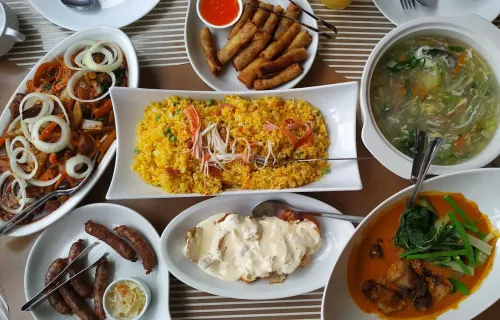
Filipino Food: 12 Essential Dishes (With Tagalog Names)
Filipino food, from adobo to halo-halo: learn the Tagalog names, pronunciations, and ingredients behind 12 dishes you'll want to try on your first trip.

Po and Opo in Tagalog: Where to Put Them Right
Po and opo confuse learners — but placement follows one rule. Where po goes in a sentence, why it's opo not 'oo po', and the pronoun shift to learn.
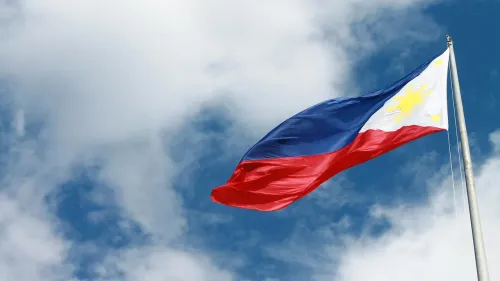
Tagalog vs Filipino: What's the Difference & Which to Learn
Tagalog and Filipino aren't the same language — but they overlap almost completely. Here's the real difference and which one you should actually learn.