para
pára with stress marks
for; in order to
Also means
Para is also the call a passenger makes to stop a jeepney or bus.
Usage Note
Para means 'for' — who or what something is intended for — and takes sa before common nouns and kay before names: para sa iyo, para kay Ana. Before a verb it means 'in order to' or 'so that'. Borrowed from Spanish, it is the everyday choice; upang carries the 'in order to' sense in formal writing.
Examples
" Para sa iyo ito. "
Natural Translation
This is for you.
Literal Translation
For to you this.
" Bumili ako ng regalo para sa nanay ko. "
Natural Translation
I bought a gift for my mother.
Literal Translation
Bought I of gift for to mother my.
" Maaga siyang gumigising araw-araw para hindi siya maipit sa trapiko papunta sa trabaho. "
Natural Translation
He wakes up early every day so that he doesn't get stuck in traffic on the way to work.
Literal Translation
Early he-link wakes day-day so-that not he stuck in traffic going to work.
Take Tagalog with you
The full course, a 12,500-word dictionary, and flashcards that make every word stick — free to start on iOS and Android.


Tagalog builds thousands of words from a few hundred roots.
How Tagalog words workRelated Words
Explore Tagalog by topic
Free guides on grammar, vocabulary, and culture to take you past single-word lookups.
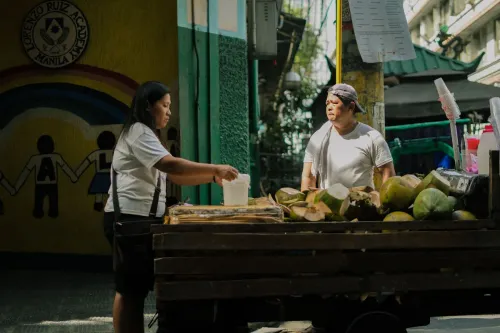
Magkano: How to Ask "How Much" in Tagalog
Magkano means how much in Tagalog. Learn to ask a price, tell it apart from ilan and gaano, sound polite with po, and haggle at the palengke.
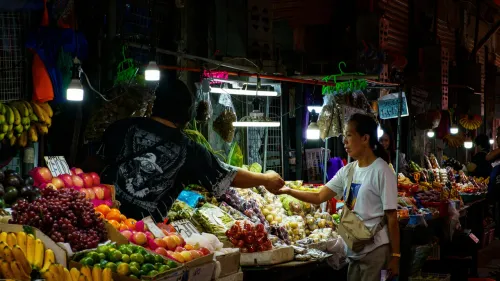
Tagalog Numbers 1-100: Counting, Time & Money Explained
Learn Tagalog numbers 1-100 and beyond. Master both native and Spanish-derived counting systems, plus telling time, reading prices, and ordinals.

Tagalog Pronouns Explained: Complete Chart with Examples
Every Tagalog pronoun explained with clear charts: ang/ng/sa forms, tayo vs kami, ikaw vs ka, politeness markers, and the mistakes beginners make.

Tagalog Slang Guide: 20 Words You'll Hear on TikTok
Tagalog slang explained: lodi, petmalu, werpa, astig, chika and more. Decode Filipino TikTok comments, group chats, and pop culture with this practical guide.