sebo
sébo with stress marks
fat; grease; oily
Usage Note
Sebo originally referred to animal fat or tallow used in cooking or candle-making. In modern usage, it describes anything greasy or oily — a slippery surface, fatty food, or an oily complexion. The term also appears in the game palo-sebo, a greased bamboo pole-climbing competition at Philippine fiestas.
Examples
" Maraming sebo ang karne. "
Natural Translation
The meat has a lot of fat.
Literal Translation
Much grease the meat.
" May sebo ang malamig na sabaw ng baka. "
Natural Translation
The cold beef soup has grease.
Literal Translation
There-is grease the cold soup of beef.
" Kapag lumamig ang sabaw, namumuo ang sebo sa ibabaw kaya kailangan mong tanggalin ito. "
Natural Translation
When the broth cools down, the grease congeals on top so you need to remove it.
Literal Translation
When cools the broth, congeals the grease on top so need you remove this.
Take Tagalog with you
The full course, a 12,500-word dictionary, and flashcards that make every word stick — free to start on iOS and Android.




Tagalog builds thousands of words from a few hundred roots.
How Tagalog words workRelated Words
Explore Tagalog by topic
Free guides on grammar, vocabulary, and culture to take you past single-word lookups.

How to Say "I Love You" in Tagalog: Phrases & Meaning
Learn how to say I love you in Tagalog. Mahal kita, Iniibig kita, and Filipino terms of endearment for partners, family, and friends — with cultural notes.

Tagalog Affixes Explained: A Beginner's Guide to Word Building
Tagalog affixes turn one root word into dozens of meanings. Learn prefixes, infixes, suffixes, and circumfixes with clear examples for beginners.
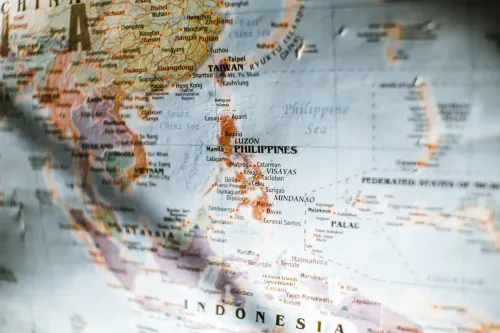
Philippines Geography for Learners: Islands & Language
Philippines geography for Tagalog learners: 7,641 islands, three island groups, and the Southern Luzon heartland where the Tagalog language was born.

Mano Po and Filipino Etiquette: A Visitor's Guide
Mano po presses an elder's hand to your forehead as a blessing. Learn who to mano, how to lip-point, and the etiquette that wins over a Filipino family.