simula
simulâ with stress marks
beginning; start
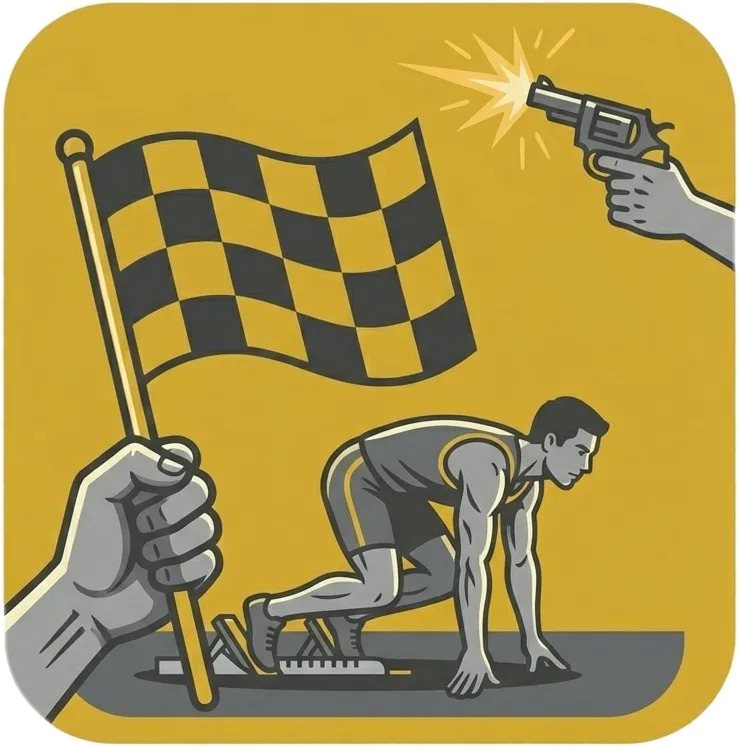
Usage Note
Simula is used both as a noun and a verb, often appearing as "magsimula" (to start) or in the phrase "sa simula" (at the beginning). A popular idiomatic expression is "simula't sapul," which means "from the very start" or "ever since."
Examples
" Maganda ang simula ng kuwento. "
Natural Translation
The beginning of the story is good.
Literal Translation
Good the beginning of story.
" Ito ang simula ng lahat. "
Natural Translation
This is the start of everything.
Literal Translation
This the start of everything.
" Simula't sapul ay alam ko nang magiging mahirap ang proyektong ito, kaya naghanda ako nang maaga. "
Natural Translation
From the very start I knew this project would be difficult, so I prepared early.
Literal Translation
From-start-and-foundation knew I already will-become hard the project this, so prepared I early.
Take Tagalog with you
The full course, a 12,500-word dictionary, and flashcards that make every word stick — free to start on iOS and Android.




Tagalog builds thousands of words from a few hundred roots.
How Tagalog words workDerived Words
Actor Focus Verbs
Object Focus Verbs
Related Words
Explore Tagalog by topic
Free guides on grammar, vocabulary, and culture to take you past single-word lookups.
May vs Mayroon vs Meron: Have & There Is
May vs mayroon in Tagalog finally made simple: one rule decides which to use, plus how meron and wala fit the same have and there-is family.

Tagalog Affixes Explained: A Beginner's Guide to Word Building
Tagalog affixes turn one root word into dozens of meanings. Learn prefixes, infixes, suffixes, and circumfixes with clear examples for beginners.
Filipino Food: 12 Essential Dishes (With Tagalog Names)
Filipino food, from adobo to halo-halo: learn the Tagalog names, pronunciations, and ingredients behind 12 dishes you'll want to try on your first trip.
Tagalog Verb Focus System Explained (It's Not Active vs. Passive)
The Tagalog verb focus system isn't active vs. passive. Learn actor focus, object focus, and more with clear examples that finally make it click.