matakid
matakíd with stress marks
to trip
From root: takid
Conjugations
Past (Completed)
natakid
na-ta-KID
tripped
Present (Incomplete)
natatakid
na-ta-ta-KID
is tripping
Future (Contemplated)
matatakid
ma-ta-ta-KID
will trip
Usage Note
Matakid is the actor-focus form of takid, used for the accidental experience of catching one's foot on something and stumbling. The ma- prefix marks the action as unintentional, distinguishing a trip from a deliberate step, and the verb is most natural in casual narrative about minor mishaps.
Examples
" Natakid ako sa bato. "
Natural Translation
I tripped on a rock.
Literal Translation
Tripped I on rock.
" Delikadong matakid habang may dalang mainit na kape. "
Natural Translation
It is dangerous to trip while carrying hot coffee.
Literal Translation
Dangerous to-trip while carrying hot coffee.
" Halos matakid siya sa madilim na hagdan dahil nakalimutan niyang buksan ang ilaw bago bumaba. "
Natural Translation
He almost tripped on the dark stairs because he forgot to turn on the light before going down.
Literal Translation
Almost to-trip he on dark stairs because forgot he to-open the light before going-down.
Take Tagalog with you
The full course, a 12,500-word dictionary, and flashcards that make every word stick — free to start on iOS and Android.




Tagalog builds thousands of words from a few hundred roots.
How Tagalog words workRelated Words
Explore Tagalog by topic
Free guides on grammar, vocabulary, and culture to take you past single-word lookups.

Filipino Family Words and Honorifics: Ate, Kuya & Tita
Filipino family words like ate, kuya, tita, tito, lolo, and lola go far beyond family — learn how Filipinos use them with strangers, plus mano po etiquette.

How to Say "I Love You" in Tagalog: Phrases & Meaning
Learn how to say I love you in Tagalog. Mahal kita, Iniibig kita, and Filipino terms of endearment for partners, family, and friends — with cultural notes.
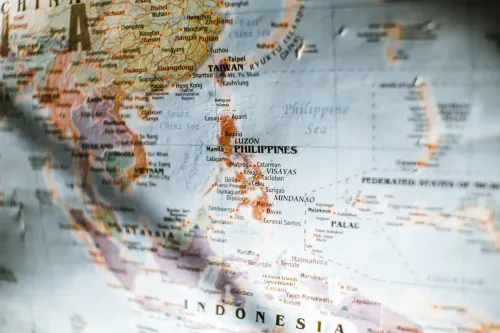
Philippines Geography for Learners: Islands & Language
Philippines geography for Tagalog learners: 7,641 islands, three island groups, and the Southern Luzon heartland where the Tagalog language was born.

Tagalog Numbers 1-100: Counting, Time & Money Explained
Learn Tagalog numbers 1-100 and beyond. Master both native and Spanish-derived counting systems, plus telling time, reading prices, and ordinals.