From root: tanda
Conjugations
Past (Completed)
itinanda
i-ti-nan-DA
marked or recorded
Present (Incomplete)
itinitanda
i-ti-ni-nan-DA
marking or recording
Future (Contemplated)
itatanda
i-ta-tan-DA
will mark or record
Usage Note
Itanda is used when marking a specific item or recording a note to serve as a reminder, such as highlighting a date on a calendar. It is less common than its counterpart 'tandaan' and specifically emphasizes the physical act of creating a mark or record.
Examples
" Itanda mo ang kanyang kaarawan. "
Natural Translation
Mark down his birthday.
Literal Translation
Mark you the his birthday.
" Huwag kalimutang itanda ang petsa. "
Natural Translation
Don't forget to record the date.
Literal Translation
Don't forget record the date.
" Mabuting itanda mo sa kalendaryo ang lahat ng deadline upang wala kang makalimutang trabaho. "
Natural Translation
You'd do well to mark all the deadlines on the calendar so you don't forget any work.
Literal Translation
Good to-mark you on calendar the all of deadlines so-that none you forget work.
Take Tagalog with you
The full course, a 12,500-word dictionary, and flashcards that make every word stick — free to start on iOS and Android.




Tagalog builds thousands of words from a few hundred roots.
How Tagalog words workWord family
tanda has 9 related forms built from the same root.
Related Words
Explore Tagalog by topic
Free guides on grammar, vocabulary, and culture to take you past single-word lookups.

Tagalog Time Expressions: Past, Present & Future Guide
Tagalog has no tenses — it uses aspect. Learn time words, days of the week, clock time, and the aspect system, with vocabulary tables and cultural notes.

Tagalog Numbers 1-100: Counting, Time & Money Explained
Learn Tagalog numbers 1-100 and beyond. Master both native and Spanish-derived counting systems, plus telling time, reading prices, and ordinals.

Tagalog Pronouns Explained: Complete Chart with Examples
Every Tagalog pronoun explained with clear charts: ang/ng/sa forms, tayo vs kami, ikaw vs ka, politeness markers, and the mistakes beginners make.
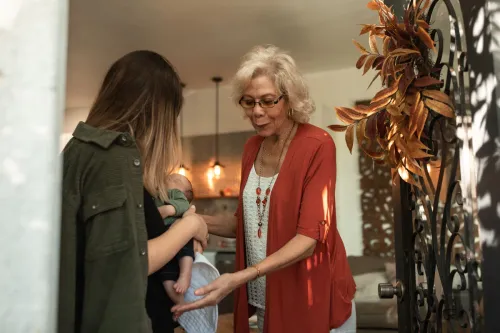
Mano Po and Filipino Etiquette: A Visitor's Guide
Mano po presses an elder's hand to your forehead as a blessing. Learn who to mano, how to lip-point, and the etiquette that wins over a Filipino family.