uli-uli
uli-ulî with stress marks
next time (admonition)
Usage Note
Uli-uli is a reduplicated form used specifically as an admonition meaning 'next time' — implying a warning that a repeated mistake or behavior will have consequences. It is typically spoken by elders, parents, or authority figures after correcting someone: 'Uli-uli, huwag mong ulitin.' The tone is cautionary rather than purely temporal.
Examples
" Uli-uli, mag-ingat ka. "
Natural Translation
Next time, be careful.
Literal Translation
Next-time, be-careful you.
" Uli-uli, mag-ingat ka na sa iyong mga salita. "
Natural Translation
Next time, be more careful with your words.
Literal Translation
Next-time, be-careful you in your words.
" Pinatawad ka namin ngayon, pero uli-uli, huwag mong ulitin ang ginawa mong kapilyuhan. "
Natural Translation
We forgive you this time, but next time, do not repeat the mischief you did.
Literal Translation
Forgive you we now, but next-time, do-not you to-repeat the did your mischief.
Take Tagalog with you
The full course, a 12,500-word dictionary, and flashcards that make every word stick — free to start on iOS and Android.




Tagalog builds thousands of words from a few hundred roots.
How Tagalog words workRelated Words
Explore Tagalog by topic
Free guides on grammar, vocabulary, and culture to take you past single-word lookups.
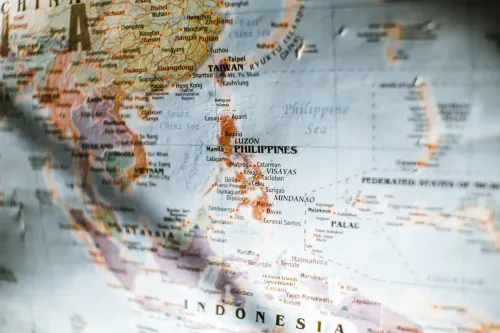
Philippines Geography for Learners: Islands & Language
Philippines geography for Tagalog learners: 7,641 islands, three island groups, and the Southern Luzon heartland where the Tagalog language was born.

Languages of the Philippines: Tagalog, Cebuano, and More
Languages of the Philippines: one national language (Filipino) plus 180+ regional languages. Here's who speaks what, where, and why it matters to you.

Tagalog Verb Conjugation: Aspects Made Simple
Tagalog verb conjugation uses aspects, not tenses. Learn the three aspects with -um- and mag- verbs, one reduplication rule, and clear example tables.

Tagalog Greetings: How to Say Hello, Goodbye & Po/Opo
Master Tagalog greetings with pronunciation: kumusta, magandang umaga, po and opo polite forms, time-of-day phrases, and the mano po tradition.