From root: ulila
Usage Note
Kaulilahan describes the condition of orphanhood or the period following the death of one's parents.
Examples
" Nahirapan siya sa kaulilahan. "
Natural Translation
He struggled with being orphaned.
Literal Translation
Had-difficulty he in-the orphanhood.
" Dahil sa kaulilahan, malungkot siya. "
Natural Translation
Because of being orphaned, he/she is sad.
Literal Translation
Because of state-of-being-orphaned, sad he/she.
" Mula nang mamatay ang kanyang mga magulang, dinanas niya ang kaulilahan habang inaalagaan ang nakababatang kapatid. "
Natural Translation
Ever since his parents died, he has gone through orphanhood while taking care of his younger sibling.
Literal Translation
From when died the his parents, endured he the orphanhood while caring-for the younger sibling.
Take Tagalog with you
The full course, a 12,500-word dictionary, and flashcards that make every word stick — free to start on iOS and Android.




Tagalog builds thousands of words from a few hundred roots.
How Tagalog words workWord family
ulila has 4 related forms built from the same root.
Related Words
Explore Tagalog by topic
Free guides on grammar, vocabulary, and culture to take you past single-word lookups.
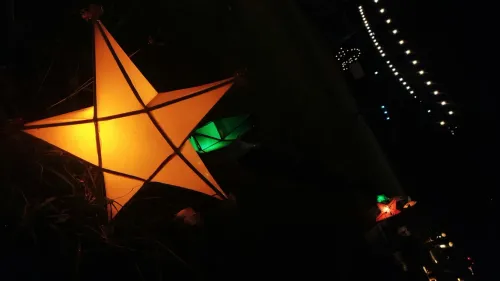
Philippine Christmas Traditions: World's Longest Holiday
Philippine Christmas traditions run four months — from Ber-month carols to Simbang Gabi dawn masses, Noche Buena feasts, and parol lanterns lighting every street.
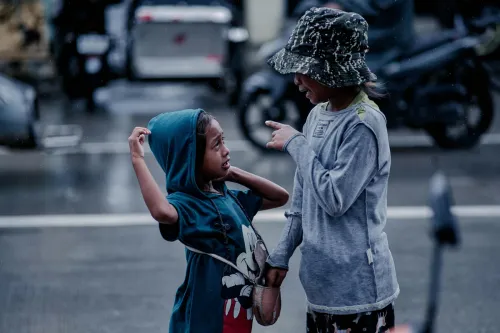
How to Say Sorry in Tagalog: Patawad vs Pasensya
How to say sorry in Tagalog: patawad, pasensya na, and paumanhin compared on a simple severity-and-formality ladder so you pick the right word every time.

Is Tagalog Hard to Learn? An Honest Answer
Tagalog takes around 1,100 hours to reach professional proficiency. Here is what is easy, what is hard, and what to expect at 3, 6, and 12 months.

Filipino Family Words and Honorifics: Ate, Kuya & Tita
Filipino family words like ate, kuya, tita, tito, lolo, and lola go far beyond family — learn how Filipinos use them with strangers, plus mano po etiquette.