dalirot
dalirót with stress marks
to point or poke with a finger
Usage Note
Dalirot describes the specific action of extending a finger to poke or point at something or someone. It carries a slightly rude or aggressive connotation when directed at a person, as pointing at others is considered impolite in Filipino culture. Used in physical descriptions and narrative writing.
Examples
" Huwag mong dalirutin ang tao. "
Natural Translation
Don't poke the person with your finger.
Literal Translation
Don't you poke-with-finger the person.
" Kita ang dalirot ng bata sa pagkain. "
Natural Translation
The child's poking at the food is visible.
Literal Translation
Visible the poke of child in food.
" Maraming beses niyang dinalirot ang lupa para tingnan kung basa pa ang taniman pagkatapos ng ulan. "
Natural Translation
Several times he poked at the soil with his finger to check if the field was still wet after the rain.
Literal Translation
Many times he poked-with-finger the soil to see if wet still the field after of-the rain.
Take Tagalog with you
The full course, a 12,500-word dictionary, and flashcards that make every word stick — free to start on iOS and Android.




Tagalog builds thousands of words from a few hundred roots.
How Tagalog words workActor Focus Verbs
Object Focus Verbs
Related Words
Explore Tagalog by topic
Free guides on grammar, vocabulary, and culture to take you past single-word lookups.

Filipino Family Words and Honorifics: Ate, Kuya & Tita
Filipino family words like ate, kuya, tita, tito, lolo, and lola go far beyond family — learn how Filipinos use them with strangers, plus mano po etiquette.
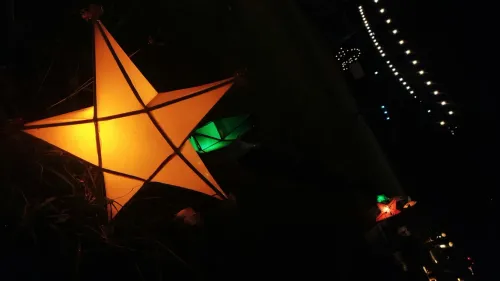
Philippine Christmas Traditions: World's Longest Holiday
Philippine Christmas traditions run four months — from Ber-month carols to Simbang Gabi dawn masses, Noche Buena feasts, and parol lanterns lighting every street.
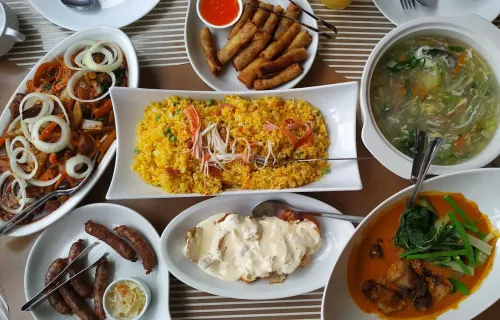
Filipino Food: 12 Essential Dishes (With Tagalog Names)
Filipino food, from adobo to halo-halo: learn the Tagalog names, pronunciations, and ingredients behind 12 dishes you'll want to try on your first trip.

Magkano: How to Ask "How Much" in Tagalog
Magkano means how much in Tagalog. Learn to ask a price, tell it apart from ilan and gaano, sound polite with po, and haggle at the palengke.