gumawa
gumawâ with stress marks
to make
From root: gawa
Conjugations
Past (Completed)
gumawa
gu-ma-WA
made
Present (Incomplete)
gumagawa
gu-ma-ga-WA
is making
Future (Contemplated)
gagawa
ga-ga-WA
will make
Usage Note
Gumawa is the actor-focus form of gawa, formed with -um-, used when the one creating or working is the grammatical subject. It is one of the most high-frequency verbs in Tagalog, spanning everything from simple tasks to creative works, and reflects the cultural emphasis on industriousness.
Examples
" Gusto kong gumawa ng kape. "
Natural Translation
I want to make some coffee.
Literal Translation
Want I make of coffee.
" Gusto ko na gumawa ng bagong saranggola. "
Natural Translation
I want to make a new kite.
Literal Translation
Want I to make of new kite.
" Bago siya umalis patungong trabaho, gumawa muna siya ng masarap na almusal para sa buong pamilya niya. "
Natural Translation
Before she left for work, she first made a delicious breakfast for her whole family.
Literal Translation
Before she leave toward work, made first she of delicious breakfast for the whole family her.
Take Tagalog with you
The full course, a 12,500-word dictionary, and flashcards that make every word stick — free to start on iOS and Android.




Tagalog builds thousands of words from a few hundred roots.
How Tagalog words workWord family
gawa has 4 related forms built from the same root.
Related Words
Explore Tagalog by topic
Free guides on grammar, vocabulary, and culture to take you past single-word lookups.
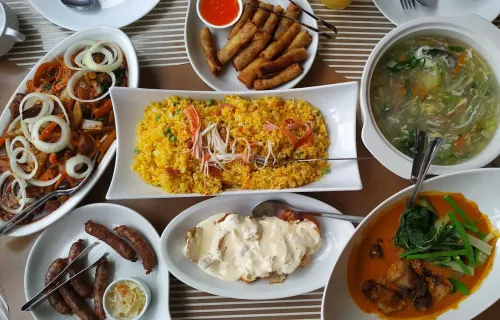
Filipino Food: 12 Essential Dishes (With Tagalog Names)
Filipino food, from adobo to halo-halo: learn the Tagalog names, pronunciations, and ingredients behind 12 dishes you'll want to try on your first trip.

Tagalog Pronouns Explained: Complete Chart with Examples
Every Tagalog pronoun explained with clear charts: ang/ng/sa forms, tayo vs kami, ikaw vs ka, politeness markers, and the mistakes beginners make.

Filipino Family Words and Honorifics: Ate, Kuya & Tita
Filipino family words like ate, kuya, tita, tito, lolo, and lola go far beyond family — learn how Filipinos use them with strangers, plus mano po etiquette.
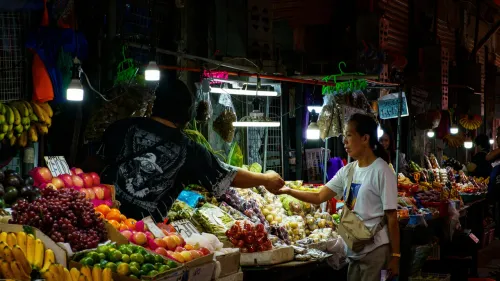
Tagalog Numbers 1-100: Counting, Time & Money Explained
Learn Tagalog numbers 1-100 and beyond. Master both native and Spanish-derived counting systems, plus telling time, reading prices, and ordinals.