Usage Note
Gisa is the foundational cooking technique for many Filipino dishes, typically starting with garlic, onions, and tomatoes. It is most commonly used in verb forms like 'maggisa' or 'igisa' when describing the preparation of a meal's flavor base.
Examples
" Mabango ang gisa ng bawang. "
Natural Translation
The sautéing of garlic smells good.
Literal Translation
Fragrant the sauté of garlic.
" Gusto ko ang gisa ng bawang. "
Natural Translation
I like the sautéing of the garlic.
Literal Translation
Want I the sauté of garlic.
" Nagsisimula ang masarap na ulam sa tamang gisa ng bawang, sibuyas, at kamatis sa mantika. "
Natural Translation
A delicious dish begins with the right sauté of garlic, onion, and tomato in oil.
Literal Translation
Begins the delicious [linker] dish at correct sauté of garlic, onion, and tomato in oil.
Take Tagalog with you
The full course, a 12,500-word dictionary, and flashcards that make every word stick — free to start on iOS and Android.




Tagalog builds thousands of words from a few hundred roots.
How Tagalog words workDerived Words
Actor Focus Verbs
Object Focus Verbs
Related Words
Explore Tagalog by topic
Free guides on grammar, vocabulary, and culture to take you past single-word lookups.

Po and Opo in Tagalog: Where to Put Them Right
Po and opo confuse learners — but placement follows one rule. Where po goes in a sentence, why it's opo not 'oo po', and the pronoun shift to learn.
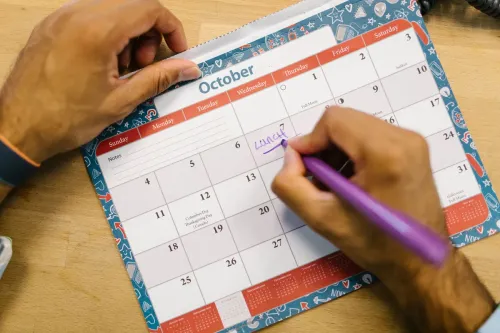
Days of the Week and Months in Tagalog
The days of the week and months in Tagalog are Spanish loanwords. Learn all 7 days and 12 months with pronunciation, plus how to say dates and 'every Monday.'

Tagalog Verb Focus System Explained (It's Not Active vs. Passive)
The Tagalog verb focus system isn't active vs. passive. Learn actor focus, object focus, and more with clear examples that finally make it click.

Languages of the Philippines: Tagalog, Cebuano, and More
Languages of the Philippines: one national language (Filipino) plus 180+ regional languages. Here's who speaks what, where, and why it matters to you.