sana all
sána all with stress marks
must be nice; I wish that were me too
Usage Note
Sana all is playful Taglish slang, sana ('I hope') plus English all, said when someone else gets something you'd like too: a sweet partner, a holiday, a bonus. It means roughly 'must be nice' or 'I hope everyone gets that', is often written sana ol online, and is teasing rather than bitter.
Examples
" Sana all may bakasyon. "
Natural Translation
Must be nice to have a vacation.
Literal Translation
Hope all have vacation.
" May bagong kotse ka na? Sana all! "
Natural Translation
You've got a new car? Must be nice!
Literal Translation
Have new car you already? Hope all!
" Nang i-post ng kaibigan ko ang litrato ng bulaklak na bigay ng nobyo niya, puro 'sana all' ang komento ng mga kaklase namin. "
Natural Translation
When my friend posted a photo of the flowers her boyfriend gave her, our classmates' comments were all 'must be nice.'
Literal Translation
When post of friend my the photo of flower that given of boyfriend her, pure 'sana all' the comment of [plural] classmates our.
Take Tagalog with you
The full course, a 12,500-word dictionary, and flashcards that make every word stick — free to start on iOS and Android.


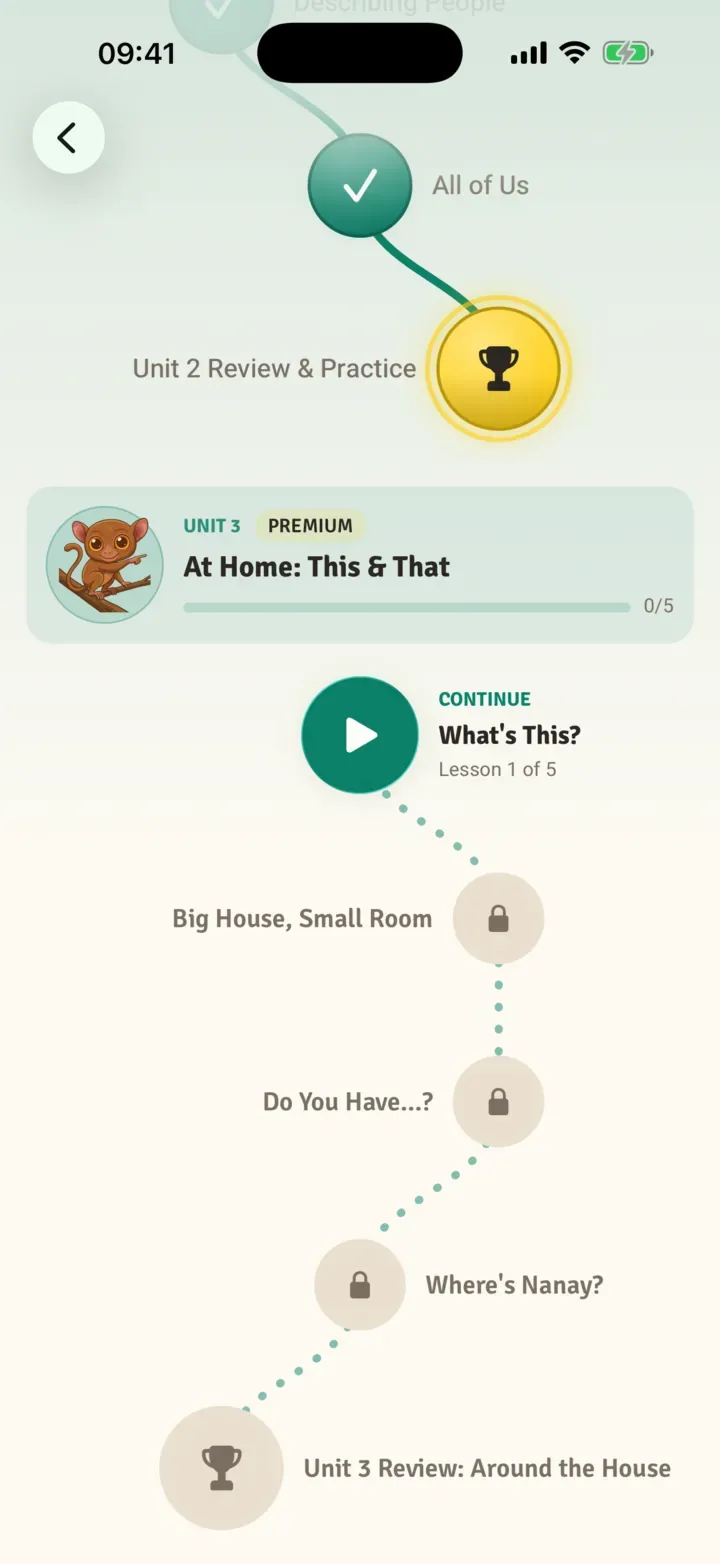
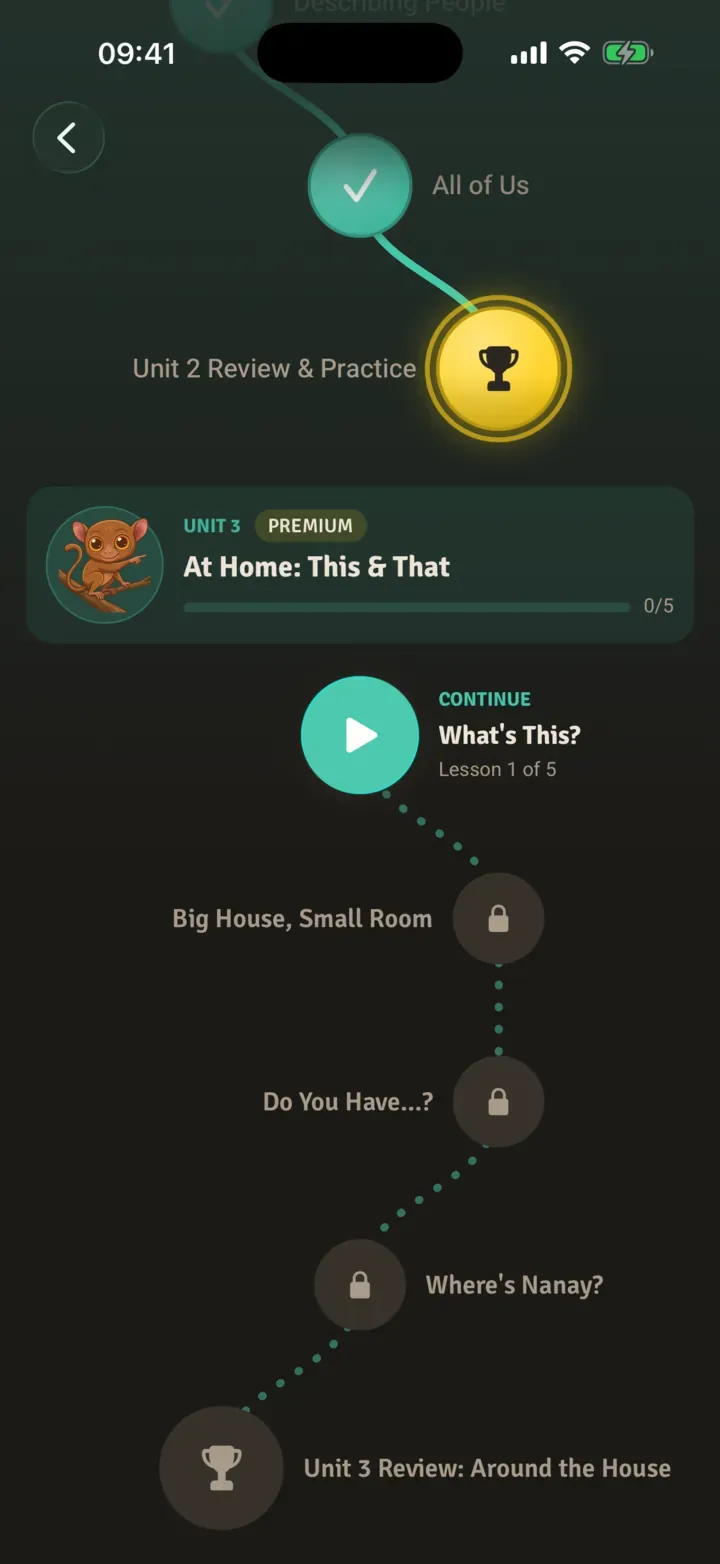
Tagalog builds thousands of words from a few hundred roots.
How Tagalog words workRelated Words
Explore Tagalog by topic
Free guides on grammar, vocabulary, and culture to take you past single-word lookups.

Tagalog Slang Guide: 20 Words You'll Hear on TikTok
Tagalog slang explained: lodi, petmalu, werpa, astig, chika and more. Decode Filipino TikTok comments, group chats, and pop culture with this practical guide.
Days of the Week and Months in Tagalog
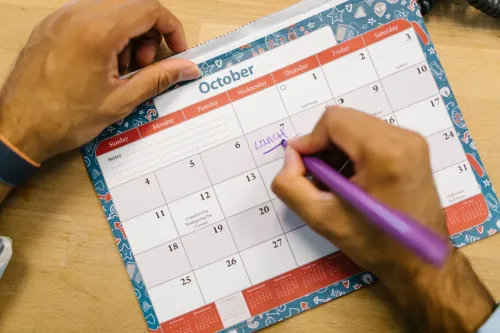
The days of the week and months in Tagalog are Spanish loanwords. Learn all 7 days and 12 months with pronunciation, plus how to say dates and 'every Monday.'

How Long Does It Take to Learn Tagalog?
Survival Tagalog takes ~3-4 weeks and comfortable conversation 6-12 months. FSI's 1,100 hours is the professional bar, not the talking-to-family bar.

Tagalog Word Order: Sentence Structure Made Simple
Why Tagalog puts the verb first, and how ang, ng, and sa markers work. A clear guide to VSO word order, forming questions, and negation.