From root: suskribi
Conjugations
Past (Completed)
nagsuskribi
nag-sus-kri-BI
subscribed
Present (Incomplete)
nagsususkribi
nag-su-sus-kri-BI
is subscribing
Future (Contemplated)
magsususkribi
mag-su-sus-kri-BI
will subscribe
Usage Note
Magsuskribi is the actor-focus form of suskribi, a borrowing from Spanish suscribir via English 'subscribe', centering the subscriber as the grammatical subject. In contemporary usage it is strongly associated with social-media and streaming-platform subscriptions, though speakers frequently code-switch to the English verb in informal contexts.
Examples
" Gusto kong magsuskribi sa channel mo. "
Natural Translation
I want to subscribe to your channel.
Literal Translation
Want I to-subscribe to channel your.
" Gusto kong magsuskribi sa inyong lingguhang magasin. "
Natural Translation
I want to subscribe to your weekly magazine.
Literal Translation
Want I to-subscribe to your weekly magazine.
" Bago ka magsuskribi sa bagong serbisyo, mabuting basahin muna ang mga tuntunin upang malaman kung magkano ang babayaran kada buwan. "
Natural Translation
Before you subscribe to the new service, it is good to read the terms first so you know how much you will pay each month.
Literal Translation
Before you to-subscribe to new service, good to-read first the terms so-that to-know if how-much the will-be-paid each month.
Take Tagalog with you
The full course, a 12,500-word dictionary, and flashcards that make every word stick — free to start on iOS and Android.




Tagalog builds thousands of words from a few hundred roots.
How Tagalog words workRelated Words
Explore Tagalog by topic
Free guides on grammar, vocabulary, and culture to take you past single-word lookups.

Languages of the Philippines: Tagalog, Cebuano, and More
Languages of the Philippines: one national language (Filipino) plus 180+ regional languages. Here's who speaks what, where, and why it matters to you.
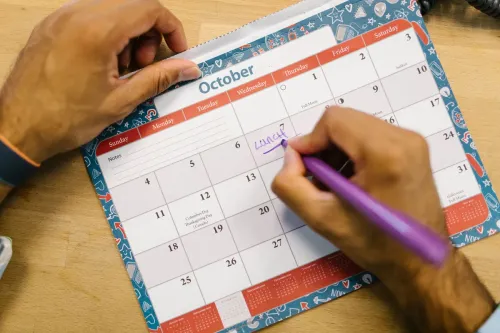
Days of the Week and Months in Tagalog
The days of the week and months in Tagalog are Spanish loanwords. Learn all 7 days and 12 months with pronunciation, plus how to say dates and 'every Monday.'

Mano Po and Filipino Etiquette: A Visitor's Guide
Mano po presses an elder's hand to your forehead as a blessing. Learn who to mano, how to lip-point, and the etiquette that wins over a Filipino family.

Ang, Ng, Sa: The 3 Tagalog Case Markers Explained
Ang, ng, sa are the three Tagalog case markers every noun takes. Learn what each does, the personal forms si/ni/kay, plurals with mga, and clear examples.