Usage Note
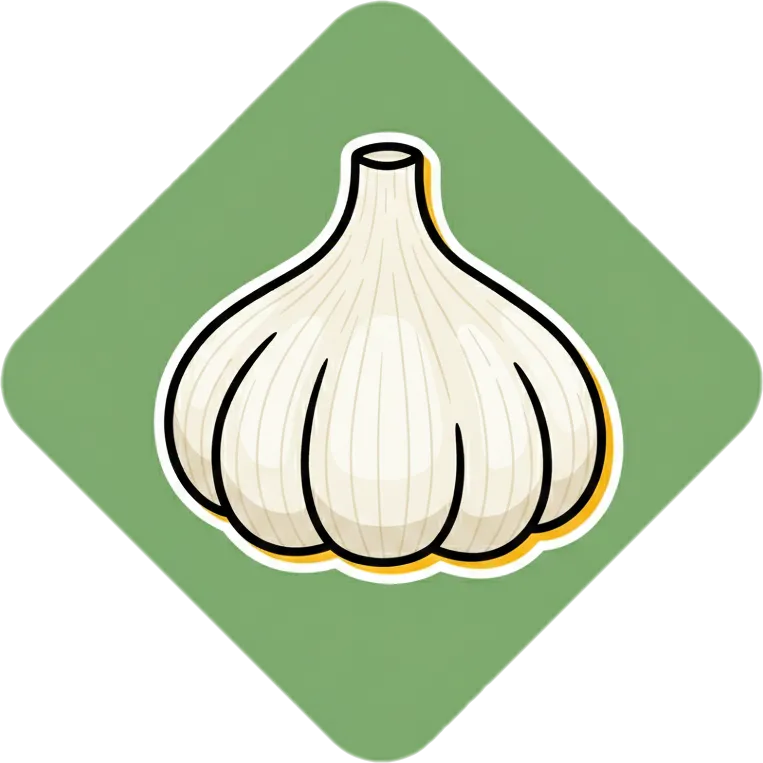
Bawang is a culinary staple in the Philippines, almost always crushed and sautéed with onions as the aromatic base for savory dishes. This starting step, known as 'gisa,' is the foundation of most traditional Filipino recipes.
Examples
" Kumuha ka ng bawang. "
Natural Translation
Get some garlic.
Literal Translation
Get you of garlic.
" Ayaw ko ng bawang sa pagkain. "
Natural Translation
I don’t want garlic in the food.
Literal Translation
I do not want garlic in the food.
" Bago mo igisa ang karne, igisa muna ang dinurog na bawang at sibuyas hanggang sa mabango na ang mga ito. "
Natural Translation
Before you sauté the meat, first sauté the crushed garlic and onions until they smell fragrant.
Literal Translation
Before you saute the meat, saute first the crushed garlic and onion until that fragrant already the these.
Take Tagalog with you
The full course, a 12,500-word dictionary, and flashcards that make every word stick — free to start on iOS and Android.




Tagalog builds thousands of words from a few hundred roots.
How Tagalog words workDerived Words
Actor Focus Verbs
Object Focus Verbs
Related Words
Explore Tagalog by topic
Free guides on grammar, vocabulary, and culture to take you past single-word lookups.
Filipino Food: 12 Essential Dishes (With Tagalog Names)
Filipino food, from adobo to halo-halo: learn the Tagalog names, pronunciations, and ingredients behind 12 dishes you'll want to try on your first trip.

Tagalog Word Order: Sentence Structure Made Simple
Why Tagalog puts the verb first, and how ang, ng, and sa markers work. A clear guide to VSO word order, forming questions, and negation.
Days of the Week and Months in Tagalog
The days of the week and months in Tagalog are Spanish loanwords. Learn all 7 days and 12 months with pronunciation, plus how to say dates and 'every Monday.'

Tagalog Verb Conjugation: Aspects Made Simple
Tagalog verb conjugation uses aspects, not tenses. Learn the three aspects with -um- and mag- verbs, one reduplication rule, and clear example tables.