gaspang
gaspáng with stress marks
roughness; coarseness
Usage Note
Gaspang refers to tactile coarseness and is most commonly used in its adjective form, magaspang, for surfaces like sandpaper or dry skin. Figuratively, it describes someone's behavior as unrefined or rude, as in the common phrase 'magaspang ang ugali'.
Examples
" Magaspang ang kamay niya. "
Natural Translation
His hands are rough.
Literal Translation
Rough the hand his.
" Ang tela ay may gaspang. "
Natural Translation
The fabric is rough.
Literal Translation
The fabric has roughness.
" Kahit magaspang ang kanyang ugali, mabait naman siya sa mga taong tunay na nakakakilala sa kanya. "
Natural Translation
Even though his manner is rough, he is actually kind to the people who truly know him.
Literal Translation
Even-though rough the his manner, kind however he to the people that truly know to him.
Take Tagalog with you
The full course, a 12,500-word dictionary, and flashcards that make every word stick — free to start on iOS and Android.




Tagalog builds thousands of words from a few hundred roots.
How Tagalog words workDerived Words
Actor Focus Verbs
Object Focus Verbs
Related Words
Explore Tagalog by topic
Free guides on grammar, vocabulary, and culture to take you past single-word lookups.

Tagalog Root Words: Learn a Few Hundred, Understand Thousands
Tagalog root words unlock vocabulary fast: learn a few hundred and recognize thousands. Real word families, examples, and a practical study strategy.

Languages of the Philippines: Tagalog, Cebuano, and More
Languages of the Philippines: one national language (Filipino) plus 180+ regional languages. Here's who speaks what, where, and why it matters to you.
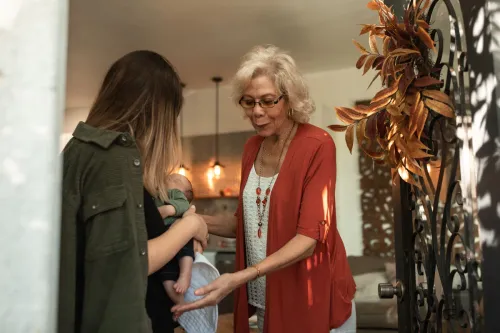
Mano Po and Filipino Etiquette: A Visitor's Guide
Mano po presses an elder's hand to your forehead as a blessing. Learn who to mano, how to lip-point, and the etiquette that wins over a Filipino family.

How Long Does It Take to Learn Tagalog?
Survival Tagalog takes ~3-4 weeks and comfortable conversation 6-12 months. FSI's 1,100 hours is the professional bar, not the talking-to-family bar.