hablon
hablón with stress marks
glossy silk-like textile
Usage Note
Hablon is a traditional handwoven fabric from the Visayas, particularly associated with Iloilo, known for its smooth, lustrous finish resembling silk. Woven on wooden looms, it is used for formal barong Tagalog shirts, terno, and other traditional garments, and remains a source of regional cultural pride.
Examples
" Makinis ang telang hablon. "
Natural Translation
The hablon fabric is smooth.
Literal Translation
Smooth the fabric-that-is hablon.
" Maganda ang telang hablon. "
Natural Translation
The hablon textile is beautiful.
Literal Translation
Beautiful the textile-that-is hablon
" Ang barong gawa sa hablon ay mas mahal dahil ito ay hinahabi nang kamay sa Iloilo. "
Natural Translation
A barong made of hablon is more expensive because it is hand-woven in Iloilo.
Literal Translation
The barong made in hablon is more expensive because this is being-woven by hand in Iloilo.
Take Tagalog with you
The full course, a 12,500-word dictionary, and flashcards that make every word stick — free to start on iOS and Android.




Tagalog builds thousands of words from a few hundred roots.
How Tagalog words workRelated Words
Explore Tagalog by topic
Free guides on grammar, vocabulary, and culture to take you past single-word lookups.

Ng vs Nang in Tagalog: The Spelling Rule
Ng vs nang sound identical but spell differently. Use ng to mark nouns (of, the object), and nang for how, when, repetition, and counting time.
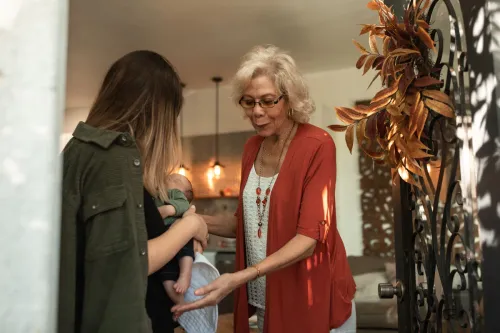
Mano Po and Filipino Etiquette: A Visitor's Guide
Mano po presses an elder's hand to your forehead as a blessing. Learn who to mano, how to lip-point, and the etiquette that wins over a Filipino family.
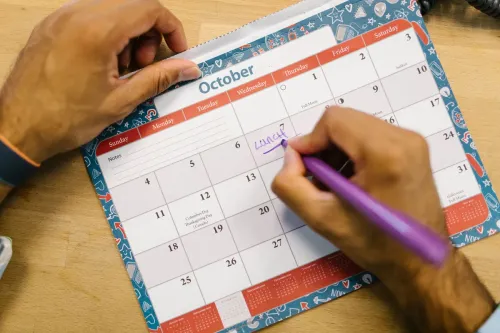
Days of the Week and Months in Tagalog
The days of the week and months in Tagalog are Spanish loanwords. Learn all 7 days and 12 months with pronunciation, plus how to say dates and 'every Monday.'

Philippine Christmas Traditions: World's Longest Holiday
Philippine Christmas traditions run four months — from Ber-month carols to Simbang Gabi dawn masses, Noche Buena feasts, and parol lanterns lighting every street.