From root: kamot
Conjugations
Past (Completed)
kinamot
ki-na-MOT
scratched
Present (Incomplete)
kinakamot
ki-na-ka-MOT
scratching
Future (Contemplated)
kakamutin
ka-ka-mu-TIN
will scratch
Usage Note
Kamutin is used to focus on the specific body part or itch that needs scratching. It is common in daily conversation, especially when asking for help to reach an itchy spot on one's back.
Examples
" Kamutin mo ang likod ko. "
Natural Translation
Scratch my back.
Literal Translation
Scratch you the back my.
" Nagsimulang kamutin ng bata ang ulo niya. "
Natural Translation
The child started to scratch his head.
Literal Translation
Started-to scratch by the child the head his.
" Kapag hindi mo maabot ang nangangati mong likod, pakiusapan mo na lang ang kapatid mong kamutin ito para sa iyo. "
Natural Translation
When you can't reach your itchy back, just ask your sibling to scratch it for you.
Literal Translation
When not you reach the itchy your back, ask you just the sibling your scratch it for you.
Take Tagalog with you
The full course, a 12,500-word dictionary, and flashcards that make every word stick — free to start on iOS and Android.




Tagalog builds thousands of words from a few hundred roots.
How Tagalog words workWord family
kamot has 6 related forms built from the same root.
Related Words
Explore Tagalog by topic
Free guides on grammar, vocabulary, and culture to take you past single-word lookups.

Tagalog Numbers 1-100: Counting, Time & Money Explained
Learn Tagalog numbers 1-100 and beyond. Master both native and Spanish-derived counting systems, plus telling time, reading prices, and ordinals.
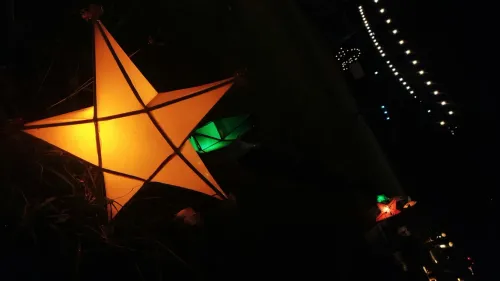
Philippine Christmas Traditions: World's Longest Holiday
Philippine Christmas traditions run four months — from Ber-month carols to Simbang Gabi dawn masses, Noche Buena feasts, and parol lanterns lighting every street.
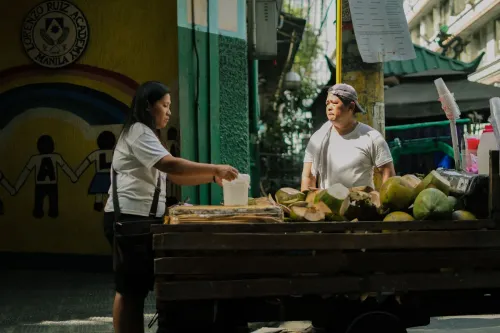
Magkano: How to Ask "How Much" in Tagalog
Magkano means how much in Tagalog. Learn to ask a price, tell it apart from ilan and gaano, sound polite with po, and haggle at the palengke.
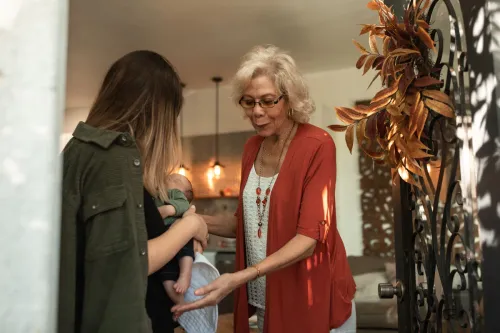
Mano Po and Filipino Etiquette: A Visitor's Guide
Mano po presses an elder's hand to your forehead as a blessing. Learn who to mano, how to lip-point, and the etiquette that wins over a Filipino family.