sumpa
sumpâ with stress marks
curse; oath
Usage Note
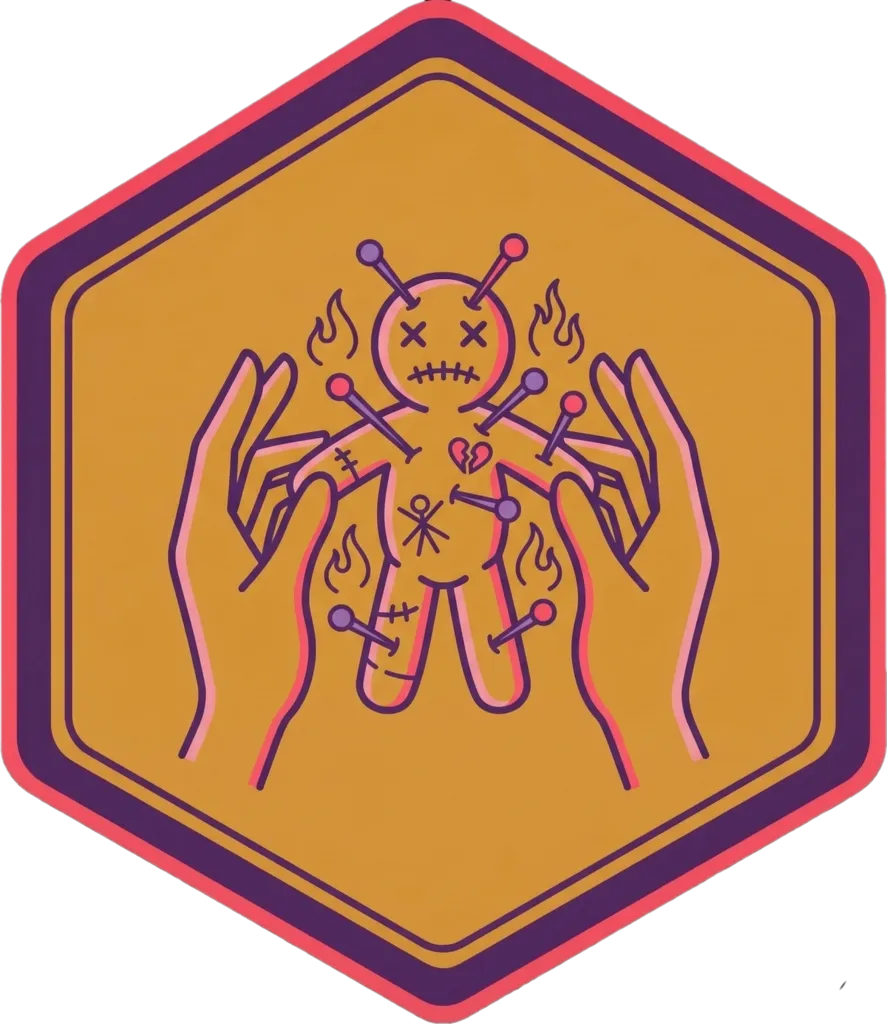
Sumpâ refers to both a solemn vow and a supernatural curse, carrying a sense of deep gravity and permanent consequence. It is used in serious contexts ranging from official oaths of office to mystical afflictions in folklore.
Examples
" Takot siya sa sumpa. "
Natural Translation
He is afraid of the curse.
Literal Translation
Afraid he of curse.
" Matindi ang sumpa ng kaniyang lola. "
Natural Translation
His/Her grandmother's curse is intense.
Literal Translation
Intense the curse of his/her grandmother.
" Ayon sa alamat, may sumpang nakapatong sa lahat ng tumira sa lumang bahay na iyon sa dulo ng bayan. "
Natural Translation
According to the legend, there is a curse that rests on everyone who has lived in that old house at the edge of the town.
Literal Translation
According to legend, has curse resting on all of lived in old house that at edge of town.
Take Tagalog with you
The full course, a 12,500-word dictionary, and flashcards that make every word stick — free to start on iOS and Android.




Tagalog builds thousands of words from a few hundred roots.
How Tagalog words workActor Focus Verbs
Object Focus Verbs
Related Words
Explore Tagalog by topic
Free guides on grammar, vocabulary, and culture to take you past single-word lookups.

Mano Po and Filipino Etiquette: A Visitor's Guide
Mano po presses an elder's hand to your forehead as a blessing. Learn who to mano, how to lip-point, and the etiquette that wins over a Filipino family.

Tagalog Verb Focus System Explained (It's Not Active vs. Passive)
The Tagalog verb focus system isn't active vs. passive. Learn actor focus, object focus, and more with clear examples that finally make it click.
Filipino Family Words and Honorifics: Ate, Kuya & Tita
Filipino family words like ate, kuya, tita, tito, lolo, and lola go far beyond family — learn how Filipinos use them with strangers, plus mano po etiquette.
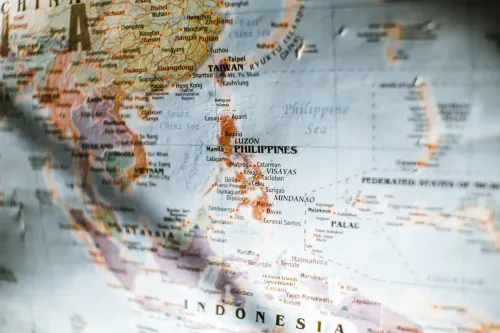
Philippines Geography for Learners: Islands & Language
Philippines geography for Tagalog learners: 7,641 islands, three island groups, and the Southern Luzon heartland where the Tagalog language was born.